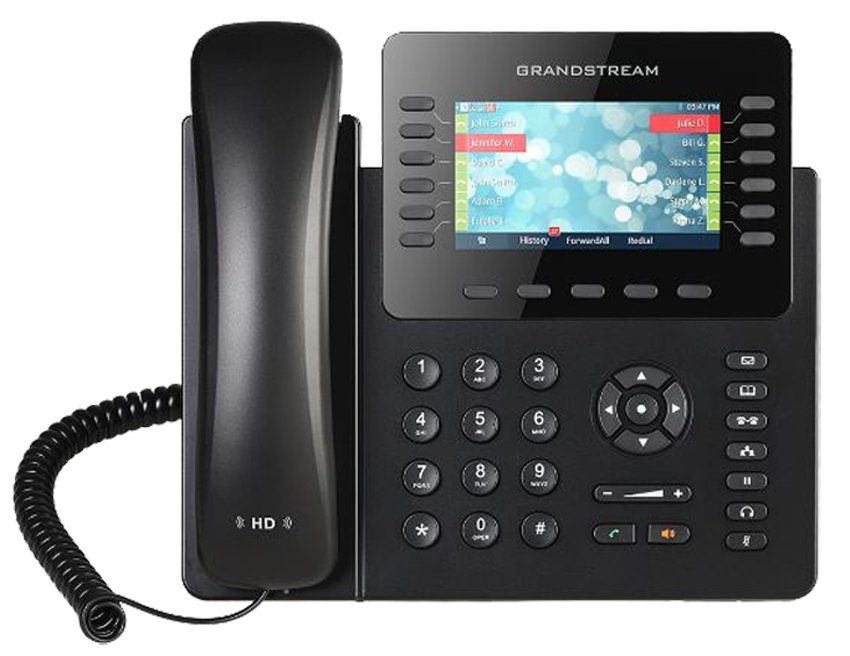
In an era where clear and efficient communication is vital for success, customized telephony solutions are transforming how organizations connect internally and with clients. Could tailored systems, like Grandstream’s innovative IP phones, unlock unprecedented levels of efficiency and responsiveness? These devices go beyond basic call handling—they integrate seamlessly with existing workflows, offering features like auto-attendants, presence indicators, and cloud management that streamline operations and reduce costs. The real power lies in strategic implementation: analyzing needs, choosing scalable devices, and leveraging advanced functionalities to optimize workflows. With real-world success stories illustrating rapid deployment, enhanced customer satisfaction, and internal collaboration, it’s clear that customized telephony is more than just a tool—it’s a strategic asset. As future innovations like AI and IoT continue to evolve, organizations must embrace these advancements to stay ahead, turning communication into a competitive advantage. Are you ready to harness the full potential of personalized telephony?
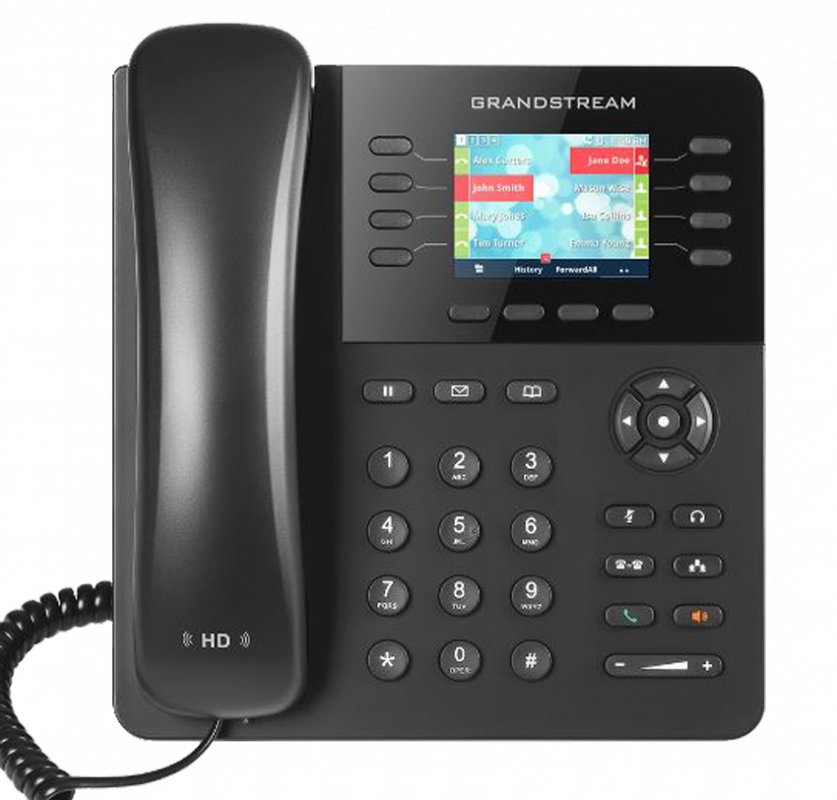
Revolutionize Business Communication with Customized Telephony Solutions
In today’s fast-moving business landscape, clear and efficient communication has become more than just a convenience—it’s a core driver of success. Companies across industries are looking for smarter ways to connect with clients and team members, especially as remote work and digital channels become the norm. Customized telephony solutions are stepping in to meet these demands by offering tailored systems that align perfectly with each organization’s unique needs rather than relying on one-size-fits-all options.
These personalized systems do more than handle calls; they transform the entire communication experience. Businesses can choose devices that fit their workflows, set up features that improve internal collaboration, and integrate seamlessly with existing IT infrastructure. For example, a retail chain might implement Grandstream IP phones across multiple locations, enabling centralized management and consistent call quality. Meanwhile, a professional services firm could customize auto-attendants and presence indicators to ensure clients are directed efficiently and internal teams stay connected.
Implementing these solutions is about more than adding fancy features—it’s about aligning technology with operational goals. When communication systems are tailored to specific workflows, employees spend less time navigating menus or waiting on calls, and more time focusing on what matters most. This targeted approach reduces miscommunication, speeds up response times, and creates a workplace that’s more agile and responsive to customer needs.
Cost savings are another key benefit. Cloud-managed devices and scalable platforms like Grandstream’s offerings allow organizations to reduce hardware expenses and simplify maintenance. This flexibility makes it easier to grow or adapt quickly without overhauling entire systems, providing long-term value. The foundation of a successful customized telephony system starts with understanding your business’s unique requirements, selecting the right devices, and planning an integration process that minimizes disruption.
As technology advances, so does the potential of these tailored solutions. Cloud management platforms, smart analytics, and innovative features are making communication smarter, more adaptable, and deeply integrated into daily operations. Embracing these innovations turns communication tools into strategic assets that support growth, improve efficiency, and enhance customer satisfaction. This ongoing evolution underscores the importance of designing systems that are not only functional but also built to support your business’s future.
Strategic Steps to Implement Tailored Telephony Systems
Implementing customized telephony solutions begins with a clear understanding of your organization’s existing communication workflows. Taking the time to analyze call patterns, identify bottlenecks, and pinpoint specific departmental needs lays a strong foundation for a successful deployment. This upfront assessment ensures that every configuration decision aligns with your operational goals, making the implementation smoother and more effective from the start.
Choosing the right devices is a critical next step. Grandstream offers a versatile range of IP phones suited for various roles—from simple models for everyday use to advanced units equipped with features tailored for specialized functions. Matching these devices to each team’s specific needs simplifies setup, enhances user experience, and maximizes the benefits of customization. Proper device selection also facilitates future scalability, allowing your system to grow alongside your business.
Once devices are selected, focus on configuring them to support your workflows efficiently. Features like call routing, auto-attendants, voicemail, and presence indicators can be personalized to streamline communication. For example, auto-attendants can quickly direct callers to the appropriate department, reducing wait times and improving customer satisfaction. Presence indicators help staff see who is available, preventing unnecessary interruptions and fostering smoother internal collaboration.
Integrating these devices into your existing IT infrastructure requires careful planning. Ensure your network can support the increased bandwidth and security needs of the new system. Compatibility checks and adherence to best security practices help prevent disruptions during deployment and safeguard your communication channels against vulnerabilities. Reliable network support is essential to maintain high call quality and system stability as your telephony solution expands.
Deploying in phases rather than all at once minimizes risks and allows your team to adapt gradually. Starting with pilot programs or limited rollouts helps identify potential issues early, making adjustments easier before a full-scale launch. This approach also provides valuable feedback from users, enabling you to fine-tune settings and ensure the system aligns perfectly with real-world needs.
Training staff on how to use the new features is crucial for maximizing the system’s effectiveness. Providing clear instructions and ongoing support encourages employees to utilize auto-attendants, call forwarding, and presence tools correctly. Well-trained users respond faster and make better use of the system’s capabilities, which translates into improved service quality and internal efficiency.
Ongoing support and maintenance are key to long-term success. Regular updates, security patches, and performance checks help keep the system running smoothly. Cloud management platforms like Grandstream’s GDMS simplify remote configuration, troubleshooting, and monitoring, reducing the burden on your IT team. This proactive approach ensures your telephony system remains reliable and adaptable as your business evolves.
Finally, continuous evaluation and feedback help refine your communication setup over time. Monitoring call data and actively listening to user input allow you to identify areas for improvement. Leveraging cloud-based management tools makes adjustments quick and easy, turning your telephony system into a dynamic asset that supports growth, enhances productivity, and elevates customer experience.

Unlocking Efficiency through Advanced Features and Optimization
Building on a solid foundation, leveraging advanced features of customized telephony systems can dramatically improve communication efficiency. Modern IP phones, like those from Grandstream, come equipped with tools designed to streamline daily operations and enhance user experience. Features such as call forwarding, voicemail-to-email, presence indicators, and auto-attendants are no longer optional extras—they are essential assets that help reduce wait times, prevent missed calls, and ensure messages reach the right person promptly.
Effectively integrating these functionalities requires understanding how they fit into your business processes. Auto-attendants, for example, can quickly direct callers to the appropriate department or individual, saving everyone time and reducing frustration. Presence indicators allow staff to see who is available before initiating contact, minimizing unnecessary interruptions. When used together, these features create a more responsive environment that adapts in real time, making both internal and external communication smoother and more efficient.
Analytics and reporting tools play a vital role in refining your telephony setup. Monitoring call volume, duration, and routing patterns reveals bottlenecks and areas for improvement. This data-driven approach ensures your system isn’t static but evolves with your organization’s needs. Cloud management platforms like Grandstream’s GDMS enable remote configuration, firmware updates, and device monitoring, giving your IT team centralized control over multiple locations with ease. This flexibility simplifies troubleshooting and accelerates deployment of enhancements.
Maximizing these features also depends on staff training. When employees understand how to utilize auto-attendants, call forwarding, and presence tools effectively, they become more confident and efficient. Clear instructions and ongoing support encourage best practices, which translate into faster responses and better service quality. Over time, this empowered use of technology fosters a culture of seamless communication that reduces errors and miscommunications.
Combining advanced functionalities with insightful analytics and remote management creates a smarter, more adaptable system. This integrated approach ensures your telephony infrastructure supports growth and operational excellence. By fully leveraging these tools, organizations can turn their communication channels into strategic assets—improving customer satisfaction, internal collaboration, and overall productivity.
Staying ahead also means embracing continuous improvement. Regularly reviewing call data and seeking user feedback allows you to fine-tune configurations and optimize workflows. Cloud-based management tools facilitate this ongoing process by providing real-time insights and remote control capabilities. As a result, your system remains responsive to changing needs, helping your business maintain a competitive edge in an increasingly connected world.
In essence, advanced features are the key to unlocking the full potential of customized telephony solutions. They transform basic communication platforms into dynamic, intelligent systems that support your organization’s goals. When combined with strategic training and proactive management, these tools help create a communication environment that is fast, reliable, and ready to adapt as your business evolves.
Real-World Success Stories and Best Practices in Telephony Deployment
Real-world examples demonstrate how organizations of all sizes successfully leverage customized telephony solutions to boost efficiency and enhance customer experiences. A retail chain, for instance, adopted Grandstream’s GRP series IP phones across multiple locations, utilizing cloud management for centralized control. This move streamlined deployment, reduced downtime, and improved call quality, resulting in happier customers and more efficient daily operations. Such scalability and ease of management highlight how tailored systems support rapid growth without sacrificing reliability.
In the professional services sector, a firm customized their communication channels with features like auto-attendants and presence indicators. This upgrade allowed them to direct client calls more effectively, cut down on missed connections, and foster internal collaboration. Staff could see who was available before reaching out, which minimized unnecessary interruptions and sped up response times. The outcome was a more responsive, coordinated workflow that elevated service quality and internal productivity.
Industry experts emphasize that careful planning is vital to success. Selecting scalable, feature-rich devices such as Grandstream’s IP phones ensures systems can grow with the business. Cloud management platforms like GDMS simplify deployment, updates, and troubleshooting across multiple locations, reducing the burden on IT teams. This centralized control enables quick adjustments and consistent performance, even in complex environments, turning a basic setup into a strategic advantage.
Security considerations also play a critical role. Successful implementations incorporate robust network protections, regular firmware updates, and secure login protocols. These measures help prevent vulnerabilities and ensure high-quality, uninterrupted communication channels. Maintaining system integrity safeguards customer trust and operational continuity, especially as organizations expand and adapt their telephony infrastructure.
Training staff effectively on new features is equally important. When employees understand how to utilize auto-attendants, call forwarding, and presence tools, they respond faster and make better use of system capabilities. Providing clear documentation and ongoing support encourages best practices, leading to improved customer interactions and internal coordination. This combination of technology and user empowerment creates a seamless communication environment.
Ongoing monitoring and feedback round out best practices. Regular review of call data and active listening to user input allow organizations to fine-tune their systems continuously. Cloud-based management tools facilitate this process by providing real-time insights and remote control, enabling swift adjustments that keep communication channels reliable and aligned with evolving needs. By adopting these strategies, businesses turn their telephony systems into dynamic assets that support sustained growth and operational excellence.

Future Trends Shaping the Next Generation of Telephony Technology
The future of customized telephony solutions is set to be shaped by rapid technological advances that will redefine how organizations communicate. Artificial intelligence is increasingly integrated into these systems, enabling smarter call routing, voice recognition, and even real-time language translation. These innovations will make interactions more seamless and personalized, allowing businesses to anticipate customer needs and respond proactively rather than reactively. As AI evolves, organizations will be able to deliver tailored experiences that boost satisfaction and loyalty, transforming communication from a routine task into a strategic advantage.
At the same time, the rise of the Internet of Things (IoT) promises to create more interconnected workplaces. Telephony systems will increasingly link with other devices and sensors, automating workflows and reducing manual effort. Imagine voice commands controlling office equipment or systems adjusting automatically based on occupancy levels. This level of connectivity will minimize errors, streamline daily operations, and make communication smarter and more intuitive. Businesses that embrace these developments will enjoy a more efficient environment that adapts dynamically to changing needs.
Cloud platforms are expected to evolve further, offering greater scalability, security, and remote management capabilities. Organizations will expand their communication networks effortlessly, adding new users or features without costly hardware upgrades. This flexibility supports rapid growth and market expansion, ensuring that telephony solutions keep pace with evolving business demands. Cloud-based management will become the backbone of future-ready communication infrastructure, allowing companies to stay agile and competitive.
Advanced analytics and reporting tools will provide deeper insights into call patterns, customer preferences, and workflow bottlenecks. These data-driven insights will enable organizations to continuously refine their systems, improve service quality, and optimize internal processes. Cloud management platforms will facilitate real-time monitoring and adjustments, making systems more responsive and aligned with strategic goals. This ongoing evolution turns telephony from a basic communication tool into a vital component of operational intelligence.
Despite these promising trends, a strategic approach remains essential. Businesses should conduct thorough assessments of their current workflows and choose scalable, feature-rich devices like Grandstream’s IP phones. Leveraging centralized management platforms such as GDMS will simplify deployment, updates, and security across multiple locations. Investing in staff training and robust security measures ensures that new systems are used effectively and protected against vulnerabilities, maximizing return on investment.
Staying ahead in this dynamic landscape requires openness to innovation and a continuous improvement mindset. Regularly reviewing call data and gathering user feedback will help fine-tune systems for maximum efficiency. Cloud management tools will make it easy to implement rapid adjustments, ensuring communication channels remain reliable and aligned with business needs. Embracing these emerging trends will help organizations turn their telephony infrastructure into a flexible, strategic asset that drives growth, improves customer experiences, and maintains a competitive edge in an increasingly digital world.