Could true strength lie not in external victories but in inner discipline? Marcus Aurelius exemplifies a leader who prioritized self-control, resilience, and moral clarity amidst chaos—wars, plagues, and political unrest. His life challenges us to redefine leadership: is influence rooted in territorial conquests or in mastering oneself? This perspective, rooted in Stoic philosophy and timeless virtues, reveals that internal virtues like patience, humility, and moral integrity are enduring sources of authority. Modern leadership increasingly echoes these ideals, emphasizing emotional intelligence and moral resilience over superficial achievements. Cultivating inner discipline involves daily reflection, mindfulness, and honest self-assessment—habits that forge a resilient character capable of guiding others through uncertainty. As we look to figures like Mandela and Gandhi, the message is clear: authentic influence emerges from within. Could inner strength be the greatest empire of all? Embracing this approach promises not only personal growth but the potential to inspire lasting change in a complex world.
Redefining Power: Inner Discipline as the True Mark of Leadership
Leadership has long been associated with outward displays of power—conquering lands, rallying armies, and showcasing dominance. We admire stories of rulers who expand their empires and celebrate their victories publicly, often equating success with visible achievements. These external feats become the clear markers of strength, shaping our idea of effective leadership as something to be seen and claimed. Yet, this focus on outward conquest can overshadow a deeper truth: genuine power may lie within, rooted in self-control, resilience, and moral integrity.
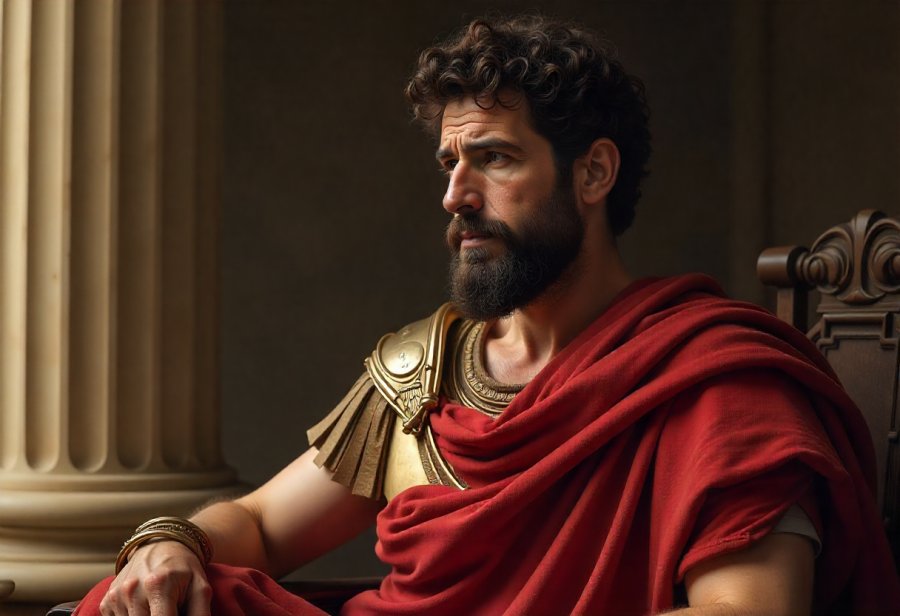
What if true leadership isn’t about external victories at all? Marcus Aurelius offers a compelling example of a leader whose strength was rooted in inner discipline. Despite facing relentless external challenges—wars, plagues, political unrest—he prioritized mastering himself above all else. His life suggests that the real foundation of lasting leadership is internal, built on virtues like patience, humility, and moral clarity. These qualities are often overlooked because they aren’t as immediately impressive as a battlefield victory or territorial expansion, but they endure far longer.
This idea invites us to reconsider what it means to be powerful. Instead of measuring strength by external accomplishments, perhaps it’s more meaningful to look inward. Marcus Aurelius’s writings, especially *Meditations*, reveal a man committed to self-awareness and moral virtue. Even amid chaos, he maintained calmness and clarity—traits that proved more influential than any external conquest. His focus was on governing his own mind before leading others, illustrating that inner discipline is the true source of authentic strength.
This perspective isn’t just philosophical; it’s increasingly relevant today. Modern leadership recognizes that qualities like emotional intelligence and moral resilience are critical for navigating complex, unpredictable environments. Leaders who develop inner virtues inspire trust and loyalty, often more than those relying solely on external markers of success. Inner strength becomes a steady anchor in turbulent times, shaping a form of leadership that’s genuine, resilient, and capable of lasting influence.
Ancient Wisdom: Foundations of Inner Strength in Leadership
Throughout history, many thinkers and leaders have emphasized that true leadership is rooted more in inner strength than in external displays of power. Ancient philosophies, especially Stoicism, have long championed the idea that qualities like self-control, resilience, and moral virtue are more enduring and impactful than outward symbols of dominance. Philosophers such as Socrates, Plato, Epictetus, and Marcus Aurelius argued that mastering oneself is the foundation of influence, shifting the focus from commanding armies to guiding one’s own character with wisdom and integrity.
These ideas have persisted because they speak to a universal truth: inner strength often outlasts material possessions or territorial gains. Stoics believed that controlling desires, emotions, and reactions creates a form of mental fortitude that remains steadfast amid life’s challenges. For Marcus Aurelius, this wasn’t just abstract philosophy but a practical approach to leadership, especially given the constant threats facing Rome. His leadership was built on the discipline of the mind and moral clarity, which are qualities that sustain influence beyond external circumstances.
Marcus Aurelius’s rise to power exemplifies this inner focus. While external turmoil—wars, plagues, political intrigue—surrounded him, his commitment was to cultivating a disciplined mind and moral virtue. His *Meditations* reveal a leader who prioritized self-awareness, patience, and humility. These inner qualities helped him navigate crises with calmness and clarity, demonstrating that internal resilience can be more reliable than external conquest in maintaining stability and authority.
The tradition of valuing inner virtues over external achievements isn’t limited to Roman philosophy. Many cultures have recognized that genuine leadership depends on moral character. Confucianism emphasizes self-cultivation and ethical integrity, while Indian philosophies highlight righteousness and inner resilience as essential for guiding others. Across civilizations, the consensus remains that the most influential leaders are those who develop virtues capable of enduring external pressures and the test of time.
This perspective challenges the common narrative that success is measured solely by visible accomplishments—territories, armies, or wealth. Instead, it suggests that true leadership originates from inner virtues that foster trust and respect. Leaders who cultivate patience, humility, and moral clarity create a legacy that outlives fleeting victories, inspiring genuine loyalty and admiration.
Understanding these roots underscores that the emphasis on inner strength is a timeless thread connecting various cultures and eras. It reminds us that leadership begins with self-mastery. The enduring influence of figures like Marcus Aurelius and others demonstrates that internal virtues—resilience, wisdom, and moral integrity—are more powerful than external displays of power, shaping history in ways that last far longer than any conquest.
Modern Leadership Reimagined: Character Over Conquest
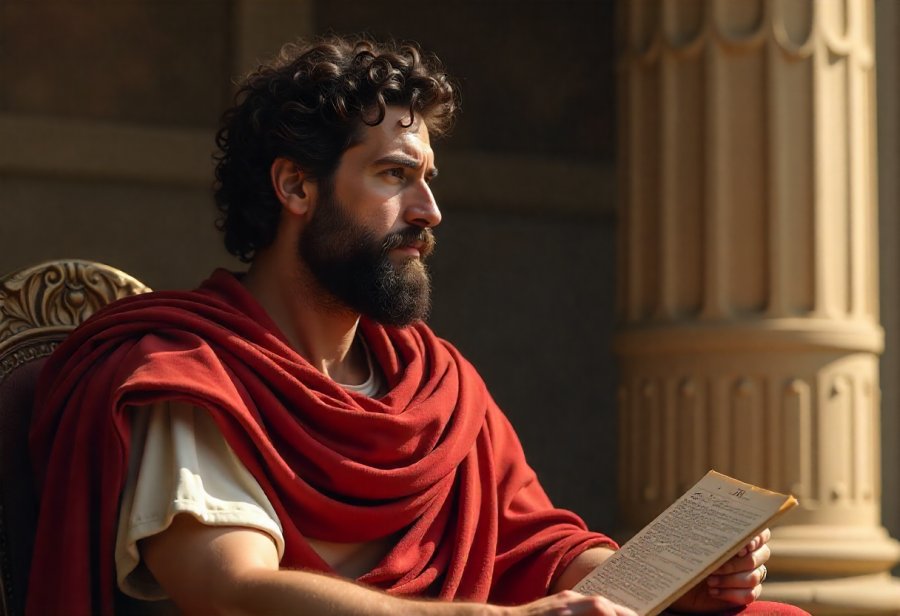
In today’s leadership landscape, the focus is shifting away from external achievements—like winning battles or expanding borders—and toward qualities that develop quietly within. More organizations and leaders recognize that inner discipline, emotional intelligence, and moral integrity are the true drivers of lasting influence. Instead of relying solely on titles or visible success, they prioritize self-awareness and resilience as the foundation for effective leadership.
This change isn’t just about soft skills; it reflects a deeper understanding that authentic authority stems from character. Leaders who practice mindfulness, patience, and self-control tend to handle complex situations more effectively. Their actions are guided by inner clarity, which builds trust and loyalty among their teams and communities. When crises hit, it’s their resilience and moral compass that keep them steady, inspiring others to stay the course.
The emphasis on inner virtues aligns with a broader belief that influence rooted in character endures longer than external accomplishments. Achievements like awards or promotions may fade, but qualities such as integrity and inner resilience form a stable base that withstands external pressures. When leaders act from a place of authenticity, they earn respect that isn’t easily lost and inspire genuine loyalty.
Contemporary leadership thinkers highlight that success is increasingly about how leaders handle setbacks and uncertainties. Emotional intelligence—the ability to stay calm, listen actively, and make ethical decisions—has become essential. Developing these qualities involves cultivating mental fortitude through reflection, mindfulness, and ongoing moral growth. It’s a deliberate effort to strengthen the inner core that guides external actions.
Some critics still argue that tangible results matter most, especially in results-driven fields. Yet, the trend is clear: influence built on inner discipline creates a more sustainable and meaningful form of leadership. Leaders who focus on inner virtues tend to foster environments where trust, collaboration, and innovation flourish because their actions are rooted in consistency and moral clarity.
Stories of modern leaders reinforce this point. Whether it’s a CEO leading with humility, a politician demonstrating resilience, or a community organizer embodying patience, their impact stems from inner strength. They show that true leadership isn’t about shouting the loudest but about cultivating a steady, authentic presence that inspires others.
Across cultures and generations, the message remains consistent: inner discipline is the real source of influence. From Eastern philosophies emphasizing self-cultivation to Western ideas of moral virtue, developing inner resilience and moral clarity is the key to lasting leadership. As the world becomes more complex, these timeless principles grow even more relevant.
Cultivating Inner Strength: Practical Steps to Leadership Excellence
Building inner discipline starts with small, consistent habits that anyone can adopt daily. Begin by setting aside a few moments each day for reflection—review your thoughts, actions, and reactions. This simple practice sharpens self-awareness, helping you recognize patterns and identify areas for growth. When you pause to consider whether your responses align with your core values, you create a mental space where better choices become natural over time. This daily reflection cultivates a mindset of intentionality and moral clarity that forms the foundation of inner strength.
Mindfulness exercises, like deep breathing or brief meditation, can significantly boost your resilience. Even a few minutes of focused stillness helps reduce impulsivity and fosters calmness. Over time, these moments of centered awareness act as anchors during stressful situations, enabling you to respond thoughtfully rather than react emotionally. Making mindfulness a regular part of your routine trains your mind to stay present and composed, essential traits for effective leadership rooted in inner discipline.
Honest self-assessment is equally important. Regularly ask yourself if your actions reflect your principles and long-term goals. Journaling can support this process by helping you track your progress, acknowledge setbacks, and reinforce your commitment to growth. This ongoing reflection reminds you that mastery is a journey, not a destination, and cultivates humility—an essential quality for authentic leadership. By consistently evaluating your motives and choices, you strengthen your moral clarity and develop the mental fortitude needed to navigate complex situations.
Studying philosophical texts and practical guides deepens this inner work. Marcus Aurelius’s *Meditations*, Epictetus’s *Discourses*, and similar writings serve as mental anchors, offering timeless wisdom on self-control and resilience. Revisiting these works during challenging moments fuels your commitment to growth and provides perspective. Combining reading with mindfulness and reflection creates a holistic approach that nurtures mental fortitude, helping you internalize virtues like patience, humility, and perseverance.
Remember, cultivating inner discipline isn’t a one-time effort but an ongoing process. Small, deliberate actions—daily reflection, mindfulness practices, honest self-evaluation—add up over time. These habits turn self-control into a natural part of your character, empowering you to lead with calmness and integrity, even amid chaos. As you strengthen your inner virtues, you build a resilient foundation that enhances your influence and inspires others through your example. This continuous commitment to inner growth transforms leadership into a steady, authentic force capable of guiding others through life’s inevitable challenges.
Endless Journey: Embracing Inner Discipline for Lasting Influence
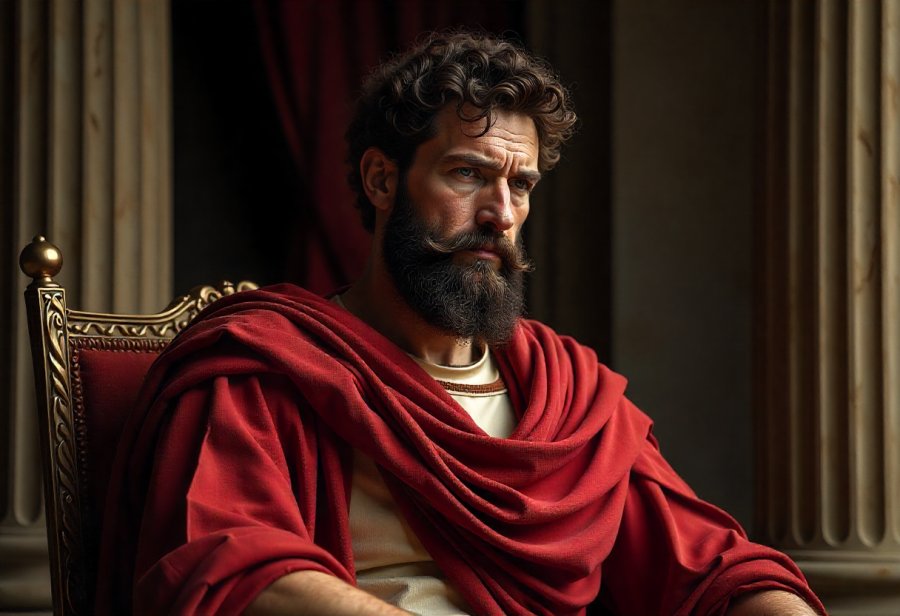
Inner discipline isn’t a destination we reach and then leave behind; it’s an ongoing journey that shapes who we are and how we lead. Marcus Aurelius’s life reminds us that cultivating self-control, moral integrity, and resilience builds a foundation strong enough to withstand life’s inevitable challenges. When we focus on developing these virtues, we become not only better leaders but also more authentic and resilient individuals. True influence stems from internal strength—qualities that endure beyond external circumstances and fleeting victories.
Nurturing inner discipline requires daily effort—moments of reflection, mindful awareness, and honest self-assessment. These small acts, repeated consistently, reinforce our inner resilience and clarity. Over time, they transform habits into a natural part of our character, enabling us to respond thoughtfully and calmly, even amid chaos. Each deliberate step deepens our capacity for patience, humility, and moral steadiness, turning internal virtues into a steady guiding force through life’s uncertainties.
Leaders like Nelson Mandela and Mahatma Gandhi exemplify how unwavering inner discipline yields profound external impact. Their patience, forgiveness, and moral conviction inspired millions, demonstrating that genuine strength comes from within. Their lives challenge us to see leadership as more than external achievements; it’s about embodying virtues that foster trust, loyalty, and lasting change. Inner discipline isn’t just a personal asset—it’s a catalyst for meaningful influence that can ripple outward, shaping communities and history.
Looking ahead, the future of leadership hinges increasingly on these inner qualities. External accomplishments may fade, but resilience, wisdom, and moral clarity remain enduring. Cultivating these virtues isn’t just a personal pursuit; it’s a societal imperative, especially in a complex, interconnected world. Leaders committed to this inner work create ripples of influence that extend far beyond their immediate sphere, inspiring others to develop their own resilience and integrity in turn.
Growth is never finished. Each challenge offers an opportunity to deepen self-awareness and strengthen inner resolve. Small, consistent efforts—like daily reflection, mindfulness, and honest self-evaluation—build a resilient mindset capable of navigating uncertainty with calm and purpose. As these practices become second nature, they transform internal virtues into a steady, guiding presence. In doing so, we not only craft better leaders but also forge stronger, more authentic selves, ready to face whatever the future holds with virtue as our compass.