The Chevrolet Corvette stands as an enduring symbol of American passion, blending raw power with timeless design to evoke emotion and inspire loyalty. From its revolutionary fiberglass beginnings in 1953 to the modern mid-engine marvels like the C8 Stingray and Z06, each generation has pushed boundaries while honoring a rich racing heritage. Its aggressive lines, iconic features, and roaring engines don’t just impress—they stir a primal adrenaline rush that connects driver and machine on a profound level. As the automotive world pivots toward electrification and technological innovation, the Corvette faces a compelling question: can it retain its legendary spirit amid rapid change? Future models promise lighter materials, sharper aerodynamics, and advanced digital interfaces—all while preserving its core identity of speed, style, and resilience. Will the Corvette continue to captivate hearts and define what it means to drive American excellence? The answer lies in the relentless pursuit of innovation rooted in a storied legacy.
Unveiling the Icon: The Chevrolet Corvette’s American Legacy
The Chevrolet Corvette stands as a true symbol of American automotive ingenuity and spirit. Since its debut in 1953, it has embodied more than just high performance—it’s become an icon of freedom, innovation, and aspiration. Its sleek, aggressive lines and powerful engines quickly set it apart as a vehicle built to thrill and inspire. Over the decades, the Corvette has continuously pushed technological boundaries while preserving a distinct style that’s instantly recognizable, reflecting the evolving tastes and engineering advancements of its time.
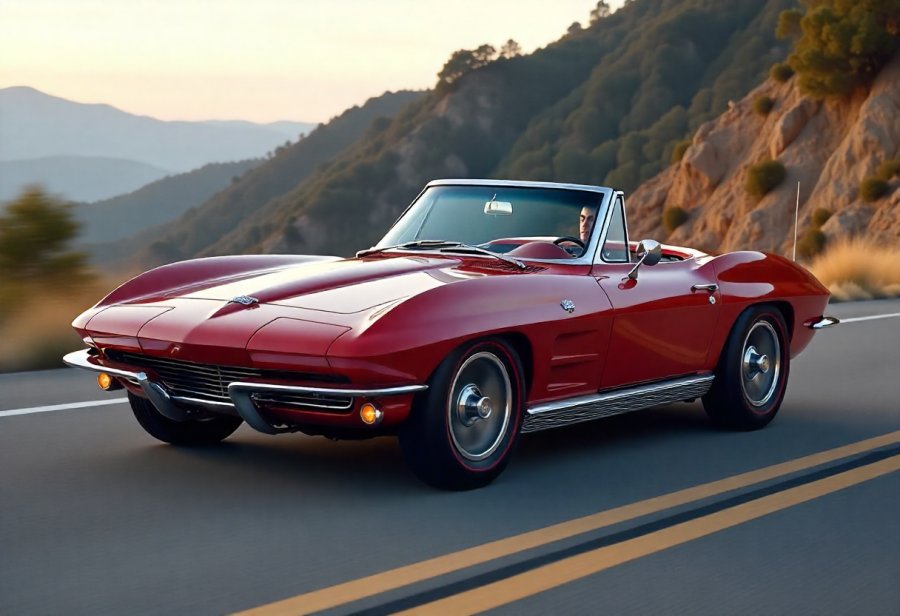
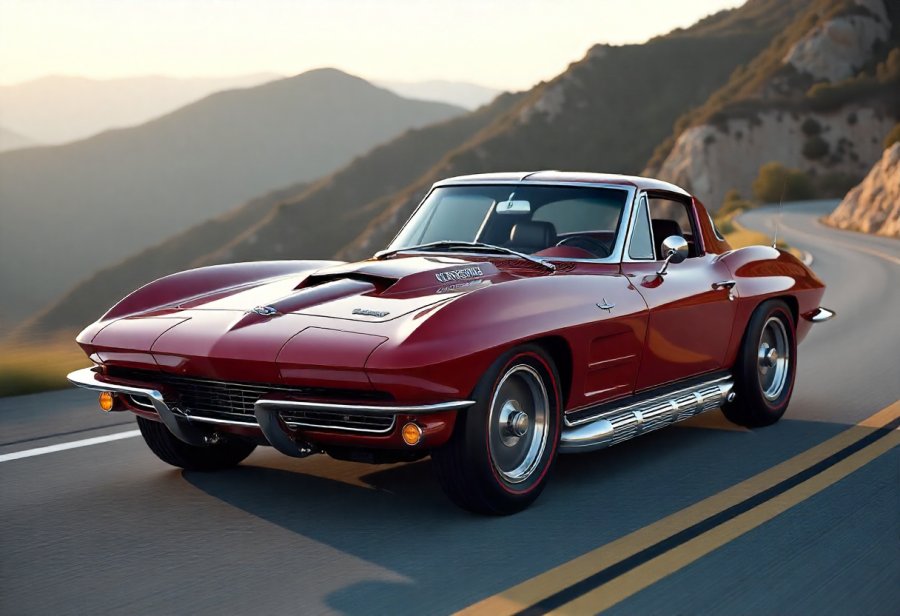
From the very beginning, the Corvette was designed to capture the boldness and daring that define American car culture. The early models, with their fiberglass bodies and small-block V8 engines, laid a solid foundation for a legacy rooted in performance and style. Influential figures like Zora Arkus-Duntov, often called the “Father of the Corvette,” championed higher performance and handling, shaping its fierce, competitive character. Iconic design features, such as the split rear window of the 1963 Stingray, became symbols of American creativity and craftsmanship.
Throughout its history, each generation of Corvette has built upon the last. The C2 Stingray, with its aggressive styling and racing-inspired variants, cemented its reputation as a muscle car legend. Later models, like the C3 and C4, refined the design while boosting technological innovation, making the Corvette more accessible and reliable without sacrificing its performance edge. The move to mid-engine layouts in recent models marks a bold step into the future, promising even greater handling, speed, and excitement.
Today’s Corvettes blend cutting-edge technology with timeless appeal. The latest models, like the C8 Stingray and Z06, showcase a mid-engine design that enhances handling and balance, delivering exhilarating performance. Inside, sophisticated digital displays and driver-assist features elevate the driving experience, making every ride both engaging and comfortable. Despite these advancements, the Corvette’s signature look remains unchanged—an unmistakable silhouette that continues to turn heads on the road.
The Corvette’s story isn’t just about engineering; it’s about capturing the essence of American passion. It symbolizes daring, resilience, and a relentless pursuit of excellence. When drivers step into a Corvette, they don’t just get behind the wheel—they connect with a legacy of speed, innovation, and boundless ambition. The car’s design and performance stir emotions that transcend function, making every drive a moment of personal achievement and pride. The Corvette remains a living testament to America’s love of speed and craftsmanship, inspiring countless enthusiasts and collectors alike.
From Dream to Reality: The Corvette’s Evolution Through the Decades
Since its debut in 1953, the Chevrolet Corvette has carved out a legendary path marked by innovation and relentless evolution. The first-generation C1 introduced a lightweight fiberglass body and a small-block V8, setting new standards for performance and style. Its sleek, aerodynamic shape was unlike anything on the road, capturing the attention of drivers seeking speed and sophistication. This early model laid a solid foundation, establishing the Corvette’s reputation as a perfect blend of power and elegance.
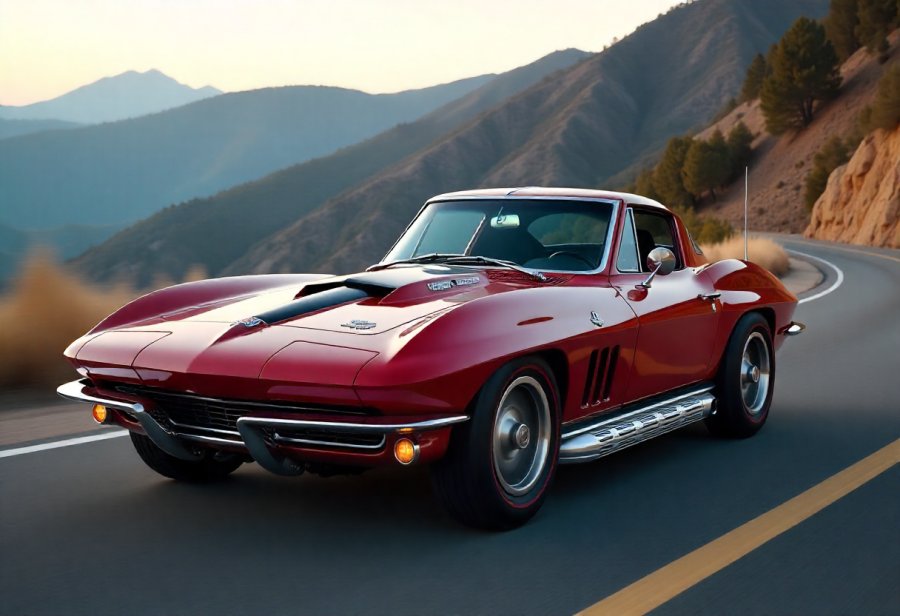
In the 1960s, the Corvette entered its second chapter with the C2 Stingray, which featured more aggressive styling and handling improvements. The iconic split rear window of the 1963 model became a symbol of American ingenuity, while high-performance variants like the Z06 pushed the limits on both street and track. These models cemented the Corvette’s status as a muscle car legend, combining raw power with racing-inspired design.
As the decades progressed, the Corvette continued to refine its identity. The C3 generation, launched in the late 1960s, showcased bold curves and a muscular stance that reflected the muscle car craze of the era. Despite its larger size, it maintained core principles of performance and innovation, with technological upgrades that kept it relevant. The C4, introduced in the 1980s, emphasized refinement, incorporating electronic fuel injection and improved aerodynamics, making it more reliable and accessible.
The turn of the century brought the C5 and C6 models, which balanced modern engineering with traditional styling. The C7, in particular, combined aggressive aesthetics with advanced materials and features like Magnetic Ride Control, elevating the driving experience. Each generation built upon the last, respecting the brand’s racing roots while embracing technological progress. The launch of the C8 marked a bold departure with its mid-engine layout, dramatically improving handling and setting a new benchmark for performance.
Throughout its history, visionary designers and engineers like Zora Arkus-Duntov and Larry Shinoda have shaped the Corvette’s distinct look and character. Their passion for pushing boundaries helped the Corvette evolve from a simple sports car into a cultural icon. This continuous innovation, paired with a deep respect for tradition, has kept the Corvette at the forefront of American muscle cars, ensuring its legacy endures for generations to come.
The Corvette Today: Innovation and Power in Modern Performance
The Chevrolet Corvette remains at the forefront of American sports cars, blending cutting-edge technology with its iconic design to maintain its status as a symbol of speed and performance. The latest models, like the C8 Stingray and Z06, feature a mid-engine layout that dramatically enhances handling, balance, and overall driving dynamics. This shift not only boosts performance but also gives the car a more aggressive and modern stance, turning heads whether on the track or the street.
Under the hood, current Corvettes deliver impressive power with high-revving V8 engines that provide exhilarating acceleration. Inside, the cockpit is equipped with digital displays, driver-assist features, and seamless connectivity, elevating the driving experience with modern comforts and tech. Despite these advancements, the Corvette’s signature silhouette remains instantly recognizable, with sleek, aerodynamic lines that continue to evoke admiration and desire.
The move to mid-engine configuration marks a significant evolution in the Corvette’s design philosophy, emphasizing precision handling and stability at high speeds. This change signals Chevrolet’s commitment to pushing performance boundaries while preserving the car’s core identity as an American muscle icon. The aggressive styling cues and dynamic proportions highlight its racing-inspired roots, ensuring it stands out among rivals from Europe and Asia.
Market preferences are shifting, prompting Chevrolet to adapt by incorporating hybrid options and advanced safety systems into recent models. These innovations aim to deliver the same raw thrill of driving but with improved efficiency and safety, appealing to a broader audience. The balance between power and sustainability reflects the brand’s awareness of environmental concerns while maintaining the essence of performance that enthusiasts cherish.
Despite technological progress, the Corvette’s design remains deeply rooted in its heritage. Classic features like bold fenders, sharp lines, and distinctive details evoke nostalgia while seamlessly integrating modern elements. This blend of old and new keeps the Corvette relevant and visually striking, ensuring its iconic status endures in a rapidly changing automotive landscape.
The passionate community of Corvette enthusiasts continues to grow, fueled by the brand’s focus on performance upgrades, technological innovations, and racing heritage. Chevrolet’s ongoing investments in research and development ensure that each new generation upholds the legacy of excellence, speed, and innovation. This dedication keeps the Corvette not just a car, but a living legend that inspires pride and devotion.
Looking ahead, the future of the Corvette promises exciting developments. As electric and hybrid technologies become more prevalent, Chevrolet is poised to introduce models that maintain the car’s legendary performance while embracing sustainability. Enhanced materials, aerodynamic refinements, and digital advancements will push the boundaries even further, ensuring the Corvette remains a powerful symbol of American ingenuity and passion for decades to come.
Driving Emotions: How Design and Performance Ignite Passion
The design and performance of the Corvette are crafted to evoke emotions that go far beyond mere transportation. Its muscular, flowing lines and iconic details don’t just catch the eye—they stir a deep sense of speed, freedom, and confidence. When you see a Corvette on the road, that rush of adrenaline is almost unavoidable; it feels like the car itself is eager to unleash its full potential. Behind the wheel, the roar of the engine, the precise handling, and responsive controls create a visceral experience that makes driving feel personal and exhilarating.
The Corvette’s aesthetic isn’t just about looks—it’s about creating an emotional dialogue between the vehicle and its driver. Its aggressive yet refined silhouette hints at both raw power and sophistication, inspiring pride and desire. Classic models like the Stingray with their smooth curves and distinctive features evoke nostalgia, while modern versions with sharp, aerodynamic contours push that emotional boundary even further. These designs are carefully crafted to evoke innovation and tradition simultaneously, reinforcing the Corvette’s status as a timeless symbol of American muscle.
One of the most compelling aspects of the Corvette is how it embodies daring, resilience, and the relentless pursuit of excellence. When drivers step into a Corvette, they don’t just see a performance vehicle—they see a vessel for dreams of adventure and achievement. The distinctive engine note, often described as a symphony of raw power, triggers primal thrill—an auditory reminder that this car was built to move passions as much as it moves bodies. It’s this blend of sound, sight, and sensation that fosters deep loyalty among enthusiasts who see the Corvette as more than just a car—it’s a statement.
Design details like the split rear window or bold fender flares aren’t just aesthetic choices; they’re symbols that ignite pride and a sense of belonging. These features connect owners to a rich heritage of innovation and racing success, serving as visual cues that evoke nostalgia while remaining relevant today. They remind everyone that the Corvette isn’t just a machine—it’s a legend that continues to inspire and captivate, embodying the spirit of American ingenuity and adventure.
Driving a Corvette is about more than reaching a destination; it’s about experiencing a moment that awakens the senses. Its engineering—powerful engines, advanced suspension, aerodynamic finesse—is tuned to deliver effortless control at high speeds. Whether winding through mountain roads or racing on a track, the Corvette fosters a connection that’s both emotional and physical, turning every drive into an art form that celebrates speed and personal achievement.
In the end, the Corvette’s design and performance work hand in hand to craft a driving experience that resonates deeply. It’s a car that doesn’t just move people physically but also stirs their passions, dreams, and sense of possibility. Its ability to evoke emotion—through bold appearance, iconic details, and exhilarating power—cements its legacy as a true American legend, inspiring a relentless pursuit of speed, innovation, and adventure with every mile.
Charting the Road Ahead: The Future of the Corvette and Its Legacy
The future of the Corvette is poised to seamlessly blend innovation with the legacy that has made it an American icon. As automotive technology advances at a rapid pace, electrification is set to redefine the performance landscape. Chevrolet is likely to develop hybrid and fully electric models that uphold the Corvette’s signature power and emotional appeal, all while making significant strides in sustainability. This shift promises to deliver electric adrenaline without sacrificing the raw excitement that enthusiasts love, reshaping what a high-performance sports car can be.
Lightweight materials like carbon fiber and advanced composites will play an increasingly important role in future designs. These materials will not only boost speed and handling but also improve efficiency, allowing the Corvette to maintain its iconic aggressive stance while becoming more agile and responsive. Aerodynamic enhancements will also take center stage, helping future models slice through the air more effectively and stay stable at higher speeds, ensuring that performance and style evolve hand in hand.
Inside the cabin, digital connectivity and driver-assistance systems will become more intuitive and sophisticated. Features such as adaptive cruise control, lane-keeping assist, and immersive infotainment will elevate every drive to a new level of comfort and safety. Some industry insiders even suggest that autonomous driving capabilities might be integrated into future models—not to replace the thrill of manual driving, but to provide convenience during daily commutes and long trips, making the Corvette more versatile without diluting its performance essence.
Design-wise, future Corvettes will likely feature sharper, more aerodynamic shapes that maximize speed and stability while respecting the brand’s bold aesthetic. The use of innovative materials will allow for bolder, more expressive styling cues that evoke both nostalgia and modernity, ensuring the Corvette remains visually striking and instantly recognizable. These updates will keep the model fresh and relevant, resonating with new generations of drivers eager for cutting-edge performance wrapped in unmistakable design.
Sustainability will be a key driver of the Corvette’s evolution. Advances in battery technology suggest upcoming models could offer impressive ranges and rapid charging, all while maintaining the high-revving power that defines the car. Balancing performance with environmental responsibility will become a core focus, allowing the Corvette to attract eco-conscious enthusiasts who refuse to compromise on speed and thrill. This commitment to innovation will help sustain its passionate community and cultural relevance.
Ultimately, the Corvette’s ongoing legacy will be reinforced through these technological strides, ensuring it remains a symbol of American ingenuity and passion. By embracing new materials, electrification, and digital advancements, Chevrolet will keep the Corvette at the forefront of the sports car world. Its evolution will continue to inspire, challenge, and thrill, inviting new generations to chase speed, excellence, and adventure—just as it has for decades.