Beyond Hollywood’s glamorous portrayal, Cleopatra VII emerges as a formidable scholar-queen whose true power lay in her intellect, diplomacy, and cultural influence. How did a ruler known for her beauty wield such lasting authority through strategy and knowledge? Her mastery of multiple languages, extensive education, and patronage of Alexandria’s renowned library exemplify her dedication to learning and cultural diplomacy. Facing internal rivalries and external threats from Rome, Cleopatra skillfully crafted alliances with Julius Caesar and Mark Antony—moves grounded in political necessity, not vanity—preserving Egypt’s independence amid shifting power dynamics. Her leadership was marked by strategic timing, adaptability, and a deep understanding of complex geopolitics. Her legacy prompts reflection: can true power reside in the mind rather than superficial charm? Cleopatra’s story challenges us to reconsider leadership through the lens of insight, patience, and cultural mastery, inspiring modern leaders to prioritize wisdom and influence over fleeting allure.
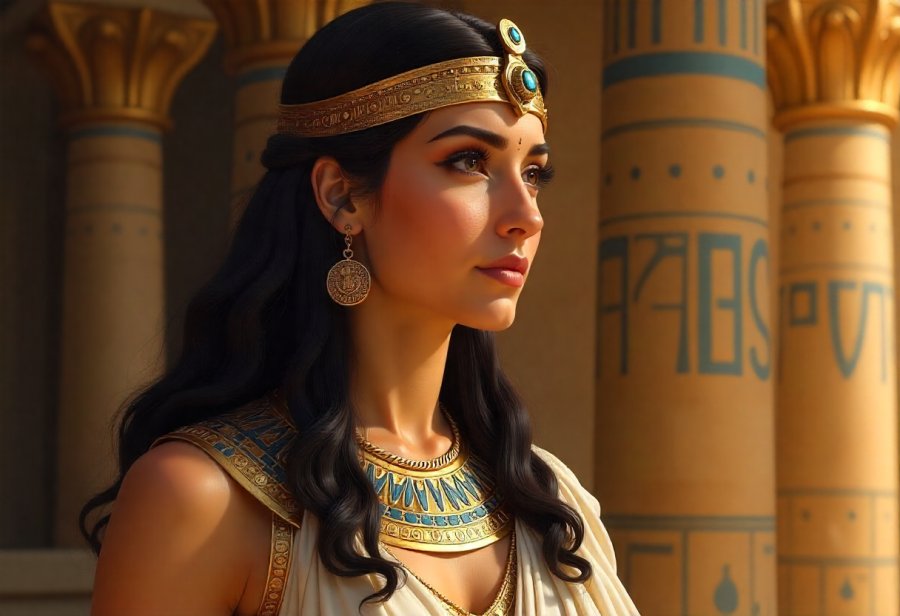
Unveiling Cleopatra’s True Genius: A Leader Beyond Beauty and Romance
Cleopatra VII is often remembered through Hollywood’s glamorous lens, but her true legacy extends far beyond beauty and romance. She was a highly intelligent and accomplished ruler, renowned for her sharp political instincts, strategic mind, and diplomatic skill. As Egypt’s last active pharaoh, Cleopatra faced a turbulent landscape filled with internal rivalries and external threats—most notably from Rome. Her leadership was rooted in her ability to think critically, forge alliances, and influence cultural and scholarly pursuits to strengthen her kingdom’s position.
Far from the stereotype of a seductress, Cleopatra’s strength lay primarily in her mind. She was fluent in multiple languages—Egyptian, Greek, and Latin—which enabled her to communicate directly with a diverse array of allies and opponents. Her extensive education in politics, philosophy, science, and the arts made her a well-rounded scholar-queen. This knowledge gave her the tools to craft complex diplomatic strategies and understand the nuances of power, making her a formidable tactician in a male-dominated world.
Her intelligence and political mastery helped Egypt maintain its independence during an era when Rome’s influence was expanding rapidly. Cleopatra understood that alliances and cultural influence could be more effective than military might alone. Her relationships with Julius Caesar and Mark Antony were strategic moves, carefully calculated to preserve Egypt’s sovereignty rather than driven by personal vanity. These alliances were tools to navigate the shifting tides of geopolitics with skill and foresight.
Throughout her reign, Cleopatra cultivated Alexandria as a center of learning and culture. The city’s famed Library of Alexandria was more than a symbol; it was a hub for scholarship and innovation. By patronizing scholars, poets, and scientists, she reinforced her image as an enlightened ruler who valued knowledge. This cultural patronage was a deliberate strategy to bolster Egypt’s intellectual and political standing on the world stage.
Cleopatra’s ability to adapt and respond strategically to threats and opportunities defined her leadership. She knew when to assert herself and when to wait for the right moment. Her alliances with Rome—initially with Julius Caesar and later with Mark Antony—were rooted in her understanding of power dynamics, not personal vanity. Her shrewd positioning allowed her to turn potential vulnerabilities into strengths, securing her legacy as a master tactician and resilient leader.
Her story is a reminder that true leadership relies on insight, strategic thinking, and cultural awareness. Cleopatra’s mastery of diplomacy and her promotion of Egypt’s intellectual and artistic heritage set her apart from many of her contemporaries. She understood that influence stems from knowledge and the ability to read complex situations—a lesson that remains relevant today. Her legacy endures as a testament to the power of a sharp mind in shaping history.
Egypt’s Tumultuous Terrain: Cleopatra’s Rise Amid Power Struggles and External Threats
Egypt’s political landscape during Cleopatra’s time was a complex tapestry of internal rivalries and external pressures. The Ptolemaic dynasty, founded by Ptolemy I after Alexander the Great’s empire fractured, had ruled Egypt for nearly three centuries. Over time, however, it had become weakened by court intrigues, succession disputes, and a declining ability to maintain independence as Rome’s influence grew. By the time Cleopatra ascended the throne, Egypt was a fragile state caught between its storied past and an uncertain future dictated by foreign dominance.
Born into this turbulent environment, Cleopatra inherited a Macedonian Greek ruling family that still upheld its customs, even as Egypt’s rich cultural traditions persisted. Her early education was extensive, covering politics, philosophy, sciences, and arts—an unusual background for a woman of her era. This scholarly foundation equipped her with the skills to navigate a treacherous political landscape and recognize the importance of cultural influence as a tool of power. Her upbringing laid the groundwork for her later diplomatic finesse and strategic thinking.
When Cleopatra became queen in 51 BC, Egypt was internally divided. Her brother, Ptolemy XIII, was her co-ruler, but their relationship quickly soured amid rivalry and power struggles. Recognizing the need for external alliances to bolster her position, Cleopatra sought the support of Rome—an emerging superpower that threatened Egypt’s sovereignty. Her alliance with Julius Caesar was crafted with precision, aimed at consolidating her rule and defending Egypt from internal chaos and external encroachment. This move proved pivotal in stabilizing her reign amidst the shifting tides of geopolitics.
Following Caesar’s assassination, Cleopatra shifted her focus to Mark Antony, forming another calculated alliance. Her diplomacy aimed not at personal vanity but at safeguarding Egypt’s independence against the expanding might of Rome. Throughout her rise, she remained acutely aware that her survival depended on her ability to adapt and forge strategic partnerships. Her relationships with these Roman leaders were driven by political necessity, and her skill in managing them underscored her mastery of statecraft.
Beyond politics, Cleopatra prioritized Egypt’s cultural and scholarly prominence. Alexandria, her capital, was home to the famed Library of Alexandria—a beacon of learning and innovation. Patronizing scholars, poets, and scientists, she understood that intellectual excellence and cultural influence could serve as powerful instruments of diplomacy and legitimacy. Her leadership was rooted in the conviction that knowledge and cultural pride were vital to Egypt’s resilience and stature in the ancient world.
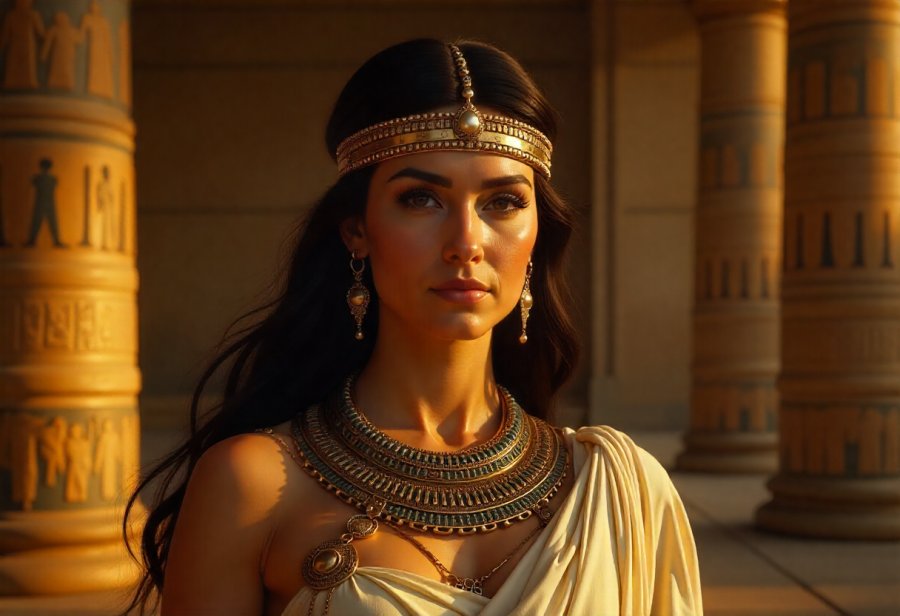
Mastermind of Influence: Cleopatra’s Intelligence, Diplomacy, and Political Acumen
Cleopatra’s true strength lay in her remarkable intelligence and diplomatic finesse, which she wielded with precision and purpose. Her leadership was not based on superficial charm or beauty, but on a sharp strategic mind that understood the nuances of power and influence. Fluent in Egyptian, Greek, and Latin, she could communicate directly with a diverse range of allies and rivals, giving her an edge in negotiations and diplomacy. This linguistic mastery allowed her to build trust, craft alliances, and respond effectively to shifting political landscapes.
Her instincts for politics were finely honed. Cleopatra knew when to assert herself and when to wait for the right moment to act, demonstrating a keen sense of timing that kept her steps measured and deliberate. She carefully cultivated her image, not as a seductress, but as a wise and capable ruler committed to her kingdom’s sovereignty. Whether negotiating with Roman leaders or quelling internal dissent, her decisions were grounded in a clear understanding of her environment and long-term goals, enabling her to turn threats into opportunities.
Cultural influence was another pillar of her power. Cleopatra’s patronage of scholars, poets, and scientists elevated Egypt’s intellectual reputation. She recognized that a thriving cultural scene and the reputation of Alexandria’s famed library could serve as instruments of soft power, bolstering her legitimacy and Egypt’s standing in the ancient world. By fostering learning and the arts, she created a sense of unity and shared pride among her people, reinforcing her authority through the strength of Egypt’s cultural achievements.
Her alliances with Julius Caesar and Mark Antony exemplify her diplomatic skill. These relationships were carefully calculated, not driven by personal vanity, but by strategic interests aimed at safeguarding Egypt’s independence. Cleopatra understood the importance of leveraging personal relationships within broader political currents. Her ability to read Roman politics and adapt her approach kept her at the center of power, allowing her to manipulate complex circumstances to her advantage and maintain her kingdom’s autonomy.
Throughout her reign, Cleopatra demonstrated that authentic leadership depends on insight, adaptability, and cultural awareness. She seamlessly integrated military, political, and intellectual tools, showing that influence comes from mastery across multiple domains. Her strategic thinking, combined with her diplomatic skill and cultural intelligence, made her a formidable leader whose legacy endures as a model of how intellect and insight can shape history.
Timeless Lessons from Cleopatra: Strategic Wisdom and Cultural Intelligence in Modern Leadership
Cleopatra’s blend of strategic thinking and intellectual strength offers lessons that resonate just as powerfully today as they did in her time. Her ability to forge alliances through diplomacy rather than relying solely on military might underscores the importance of understanding people and cultures deeply. Modern leaders can learn from her example by prioritizing relationship-building, listening carefully, and fostering trust—elements that create lasting influence rather than fleeting power.
Her mastery of language and cultural nuance was a cornerstone of her diplomatic toolkit. Fluent in Egyptian, Greek, and Latin, Cleopatra could communicate directly with diverse groups, building credibility across borders. Today’s interconnected world demands similar skills—multilingualism and cultural intelligence are invaluable for navigating complex international landscapes and establishing genuine partnerships. Her example reminds us that adapting to different cultural contexts isn’t just respectful; it’s a strategic advantage.
Education and continuous learning played a crucial role in Cleopatra’s leadership. Her patronage of scholars, poets, and scientists, along with her involvement with Alexandria’s famed library, show that wisdom and curiosity elevate influence. Leaders today who value knowledge and foster innovation create resilient organizations capable of adapting to rapid change—a principle Cleopatra understood at a fundamental level. Her legacy demonstrates that investing in learning and cultural development pays dividends far beyond immediate gains.
Timing and flexibility were at the heart of her success. Cleopatra knew when to act assertively and when to wait, responding strategically to shifting circumstances. Her patience and perceptiveness allowed her to turn threats into opportunities, a skill vital in today’s fast-paced, unpredictable environment. Leaders who develop this ability to read situations and respond with precision can better manage crises and capitalize on emerging opportunities.
Her leadership exemplifies that influence rooted in insight, cultural awareness, and strategic patience can transcend superficial appearances. Cleopatra understood that true power lies in understanding complex dynamics and responding thoughtfully. By balancing diplomacy, knowledge, and timing, she built a legacy that endures, inspiring modern leaders to focus on cultivating their intellect and emotional intelligence.
Furthermore, her example challenges the myth that leadership is primarily about authority or force. Instead, Cleopatra’s reign shows that influence is often built on subtlety, understanding, and long-term vision. Leaders today can draw from her ability to see beyond immediate circumstances and craft strategies that foster trust, legitimacy, and resilience. These qualities are vital for sustaining impact in any field.
In an era where information and relationships drive success, Cleopatra’s emphasis on cultural influence and diplomacy remains relevant. Her strategic use of alliances, combined with her cultivation of Egypt’s intellectual heritage, underscores the power of soft influence. Modern leaders who embrace these principles can build stronger, more authentic connections that withstand the test of time.
Ultimately, Cleopatra’s leadership teaches that mastery of the mind—through knowledge, empathy, and strategic thinking—is the most enduring form of power. Her example encourages us to value wisdom over superficial charm and to see influence as a nuanced craft that requires patience, insight, and cultural sensitivity. These lessons continue to inspire those aiming to lead with integrity and lasting impact.
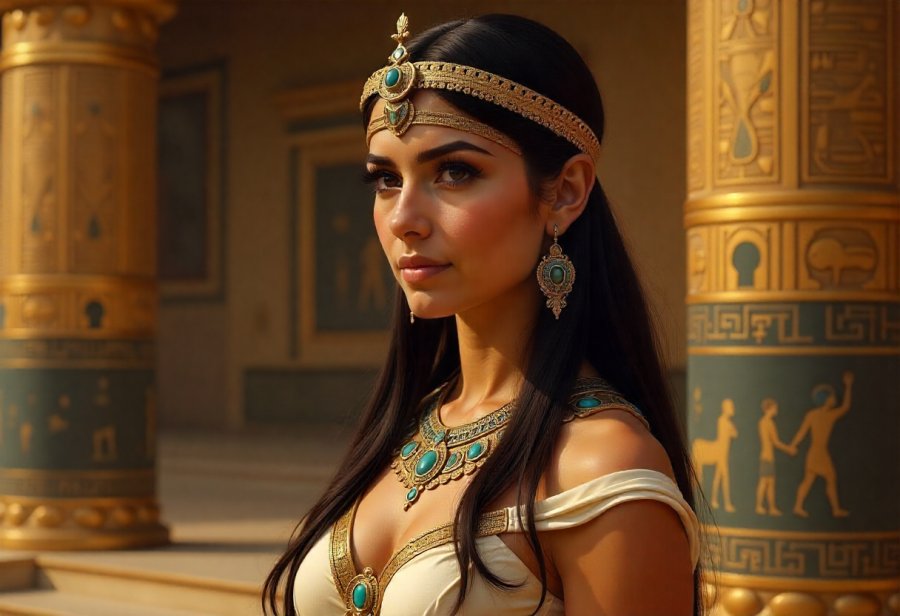
Redefining Power: Cleopatra’s Enduring Legacy of Mind, Diplomacy, and Strategic Vision
Cleopatra’s true legacy extends far beyond the romanticized images of beauty and seduction that often dominate her story. Her lasting influence rests on her remarkable intellect and mastery of political strategy, which allowed her to navigate one of the most turbulent periods in Egyptian history. She understood that real power came from knowledge, cultural influence, and strategic foresight—tools that don’t fade with time.
Her ability to forge alliances through diplomacy rather than brute force exemplifies the importance of understanding people and cultures deeply. Cleopatra knew that building trust and fostering genuine relationships could secure her kingdom’s independence long after her reign. This lesson remains vital today, reminding modern leaders that influence is rooted in patience, empathy, and authentic engagement.
Cultural intelligence was central to her leadership. Fluent in Egyptian, Greek, and Latin, Cleopatra communicated directly with diverse audiences, creating trust and credibility across borders. Her patronage of Alexandria’s scholars and scientists highlights her recognition that knowledge and innovation are powerful sources of influence—assets that can elevate a nation’s stature and resilience.
Her strategic timing and adaptability were crucial. Cleopatra mastered the art of knowing when to act boldly and when to wait. This patience allowed her to turn threats into opportunities, demonstrating that the ability to read and respond to complex situations is a timeless skill. Leaders who cultivate this flexibility can better manage crises and sustain influence amid change.
Rather than viewing leadership as authority or force, Cleopatra showed that influence often depends on subtlety, insight, and long-term vision. Her legacy teaches us that true power lies in understanding intricate dynamics and responding thoughtfully, qualities that foster trust, legitimacy, and resilience over time.
Her example challenges superficial notions of leadership, emphasizing that lasting impact is built on wisdom, cultural awareness, and strategic patience. By cultivating these qualities, leaders can create enduring influence that withstands the tests of history and modern challenges alike.
Cleopatra’s story encourages a reevaluation of what it means to be a powerful leader. Her influence was rooted in her mind—her intelligence, diplomacy, and cultural savvy—rather than fleeting charms or superficial glamour. Her life stands as a testament to the enduring power of insight, patience, and knowledge in shaping history.