Nylon, a ubiquitous yet invisible force in our daily lives, is derived from petrochemical processes that carry heavy environmental costs. This synthetic fiber, celebrated for its strength, flexibility, and affordability, powers everything from our clothes and carpets to industrial tools. But behind its convenience lies a complex web of ecological consequences: resource depletion, pollution from energy-intensive manufacturing, microplastic shedding during use, and persistent landfill waste. Its molecular structure makes nylon resistant to natural decomposition, causing microfibers to infiltrate water systems and threaten marine life—and ultimately, human health. As we continue to rely heavily on nylon, the question arises: should we accept the hidden toll of this versatile material, or seek sustainable alternatives? Recognizing the stark contrast between nylon’s utility and its environmental impact compels us to rethink our dependence on this resilient but problematic resource.
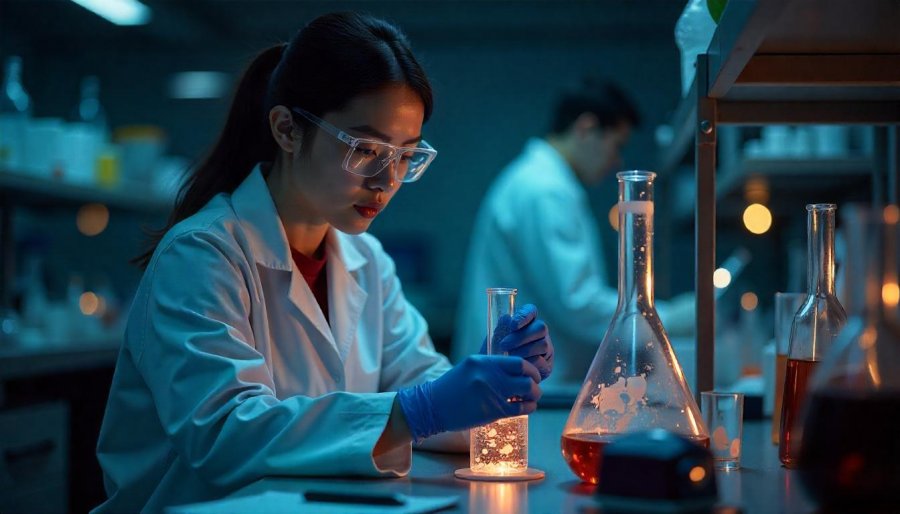
Unveiling Nylon’s Hidden Environmental Toll
Nylon is one of those materials that quietly plays a big role in our daily lives, yet many of us rarely stop to think about where it actually comes from or what its presence truly means for the environment. It’s a synthetic fiber that’s woven into everything—from the clothes we wear and the carpets we walk on to fishing lines, toothbrush bristles, and even industrial parts. Its popularity hinges on qualities like durability, affordability, and versatility, making it a go-to material across countless industries worldwide. But beneath this convenience lies a more complex story about resource use, chemical processes, and long-term ecological impacts.
The story of nylon begins in the 1930s, when chemists at DuPont achieved a breakthrough by creating the first fully synthetic fiber. This innovation was hailed as revolutionary, offering a silk-like alternative that was cheaper, stronger, and more resistant than natural fibers. When nylon stockings debuted in 1939, they caused a sensation, symbolizing a new era of industrial progress and modern materials. Over the following decades, the production of nylon expanded rapidly, driven by advances in petrochemical processing and an insatiable demand for resilient, low-cost textiles.
At its core, nylon is made from petrochemicals derived from oil and natural gas. These raw materials undergo complex chemical reactions—mainly polymerization—where small molecules called monomers, specifically hexamethylenediamine and adipic acid, are linked into long chains called polymers. This molecular structure, classified as polyamides, gives nylon its signature strength, elasticity, and resistance to wear. These qualities have made nylon indispensable across a wide range of products, from everyday clothing and carpets to industrial equipment and outdoor gear.
However, the process of making nylon is far from environmentally friendly. Extracting fossil fuels involves disruptive drilling, mining, and refining activities that damage ecosystems and deplete finite resources. The chemical reactions needed to produce nylon require high temperatures, catalysts, and significant energy inputs—much of which comes from non-renewable sources. This energy-intensive process releases greenhouse gases, volatile organic compounds, and other pollutants, directly fueling climate change and local environmental degradation.
Once produced, nylon’s environmental footprint continues during its use and disposal. Washing nylon garments causes tiny fibers—microplastics—to shed from the fabric and enter wastewater systems. These microfibers are nearly impossible to filter out and eventually make their way into oceans, lakes, and rivers, where they threaten marine life. Ingested by fish and other aquatic creatures, these microplastics can cause physical harm, reproductive issues, and disrupt entire ecosystems. As they enter the food chain, concerns about human health grow, especially since we rely heavily on seafood.
Disposing of nylon presents its own set of challenges. Because it’s resistant to natural breakdown, nylon can persist in landfills for hundreds of years. Over time, larger items fragment into microplastics that leach chemicals into soil and water, continuing to pollute ecosystems. Incineration releases toxic fumes and additional greenhouse gases, worsening air quality and climate change. This cycle of waste—persistent, resistant, and ongoing—illustrates the profound environmental costs woven into nylon’s lifecycle, from extraction to disposal. Recognizing these impacts underscores why rethinking our reliance on nylon and improving recycling methods are urgent steps toward a more sustainable future.
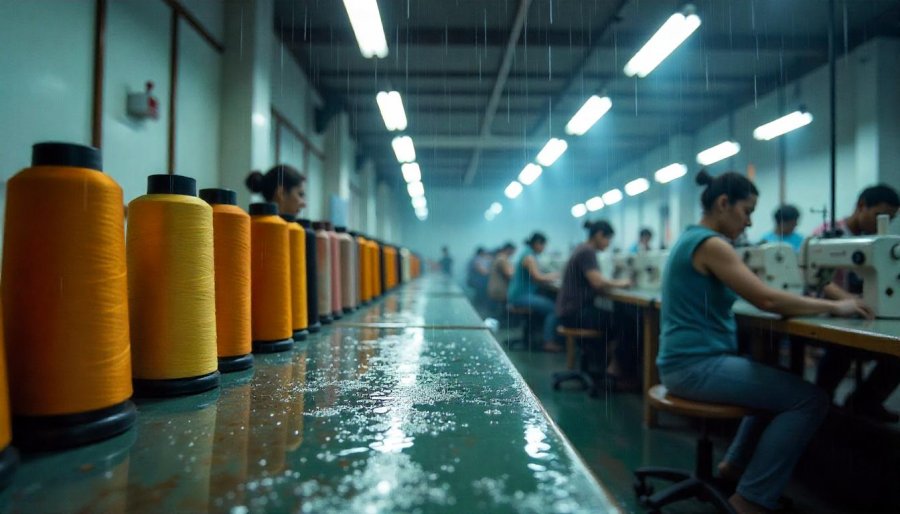
Decoding the Chemical Structure and Versatility of Nylon
Nylon’s origins are rooted in the complex world of chemical engineering, but grasping its basics helps clarify why it’s become so widespread. At its core, nylon is a synthetic fiber created through a process called polymerization, which links smaller molecules—monomers—into long, repeating chains. These monomers, specifically hexamethylenediamine and adipic acid, are derived from petrochemicals extracted from oil and natural gas. Once processed, these chemicals are combined under high heat, often with catalysts, to form polymers that develop into the fibers we recognize as nylon.
Chemically, nylon belongs to the polyamide family, characterized by repeating units of amide groups. These structures feature a carbonyl group attached to a nitrogen atom, creating strong intermolecular forces that give nylon its signature toughness and elasticity. The molecular arrangement allows nylon fibers to stretch without breaking, resist abrasion, and withstand exposure to many chemicals—traits that make it ideal for a broad array of uses. Its flexibility and durability have made nylon a staple in both consumer and industrial products.
The versatility of nylon is evident in its many applications. In fashion, it’s the backbone of stockings, activewear, and socks, thanks to its stretch and resilience. In home furnishings, nylon fibers are woven into carpets and upholstery that hold up over time. Beyond textiles, nylon plays a key role in fishing lines, toothbrush bristles, automotive components, and even parachutes. This wide range of uses underscores how its unique properties have driven global demand, making it one of the most widely produced synthetic fibers.
Yet, the journey from raw materials to finished products involves a series of resource-intensive steps. The extraction of fossil fuels like oil and natural gas disrupts ecosystems, pollutes land and water, and depletes finite resources. The chemical reactions used to produce nylon require high temperatures, catalysts, and significant energy inputs—much of which comes from non-renewable sources. These processes release greenhouse gases and volatile organic compounds, directly contributing to climate change and local environmental damage.
Throughout its lifecycle, nylon’s environmental impact persists. When worn as clothing or used in industrial settings, nylon sheds tiny fibers—microplastics—each time it’s washed or worn. These microfibers are so small that wastewater treatment plants cannot filter them out effectively, allowing them to flow into oceans, lakes, and rivers. Marine animals mistake these fibers for food, ingesting and often suffering injury or reproductive problems. The accumulation of microplastics in aquatic ecosystems disrupts entire food chains and raises concerns about the health of ocean biodiversity—and ultimately, human health.
Disposal amplifies nylon’s environmental challenges. Its synthetic structure makes it resistant to natural decomposition, so nylon products can linger in landfills for hundreds of years. Over time, larger items break into microplastics that leach chemicals into the soil and water, creating persistent pollution. Incineration isn’t a solution either; burning nylon releases toxic fumes and adds to greenhouse gas emissions, worsening air quality and climate change. This cycle of waste and pollution emphasizes the pressing need for better recycling solutions and innovative waste management practices.
The durability that makes nylon so useful also makes it one of the most persistent pollutants. Instead of decomposing naturally, nylon fragments into microplastics that linger for decades, slowly leaching chemicals and contaminating ecosystems. This ongoing release of pollutants complicates cleanup efforts and highlights the importance of reducing demand for virgin nylon. Shifting toward sustainable materials and improving recycling technologies are essential steps to mitigate nylon’s ecological footprint and protect the health of our environment.
Understanding nylon’s chemical makeup and its widespread uses reveals a double-edged sword: a versatile, high-performance material paired with significant environmental costs. Its molecular design grants it strength, flexibility, and resilience, but these same qualities make it resistant to natural breakdown. Recognizing this helps us see why nylon’s lifecycle is so intertwined with ecological challenges—from resource extraction and pollution to microplastic contamination and landfill accumulation. It’s a story of utility and consequence that continues to unfold.
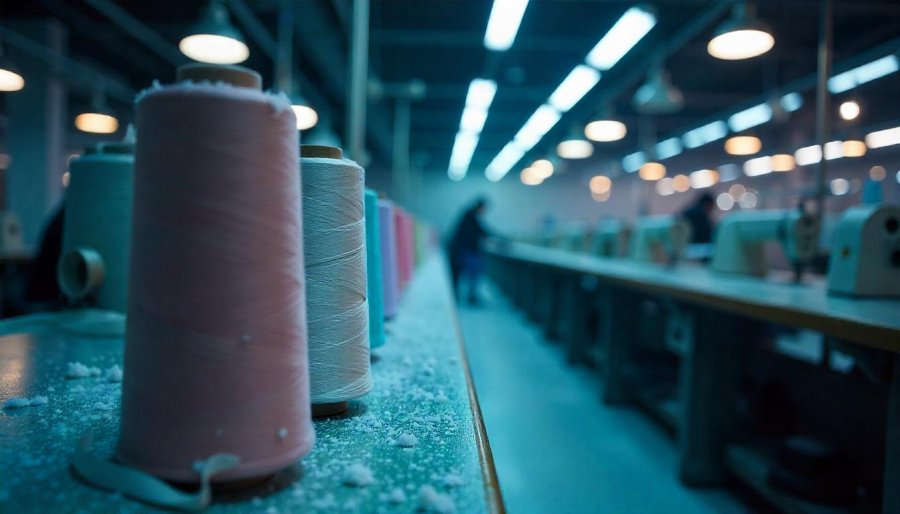
The Enduring Environmental Impact of Nylon Pollution
The environmental impact of nylon extends far beyond its initial production, persisting long after we discard it. Because of its synthetic nature, nylon can resist natural degradation for hundreds of years, gradually breaking into microplastics that infiltrate soil and water systems. These tiny fragments are nearly impossible to remove completely, accumulating over time and contributing to the global plastic pollution crisis. The durability that makes nylon so useful also makes it one of the most persistent pollutants, continuously leaching chemicals as it slowly fragments, which can harm ecosystems and animal life.
At each stage of its lifecycle, nylon’s environmental footprint deepens. The extraction of fossil fuels—its raw materials—causes habitat destruction, contaminates water sources, and releases pollutants into the air. These activities disrupt local ecosystems and threaten biodiversity. During manufacturing, the process releases greenhouse gases and chemical byproducts, such as volatile organic compounds and other toxic substances, into the environment. These emissions contribute directly to climate change and pose health risks to nearby communities, highlighting the hidden costs of nylon’s industrial origins.
Once in use, nylon continues its environmental toll through the shedding of microfibers. Every time a nylon garment is washed or worn, microscopic fibers are released into wastewater. Because wastewater treatment plants cannot fully capture these fibers, they make their way into oceans, lakes, and rivers. Marine animals mistake these microplastics for food, ingesting them and suffering injuries, reproductive issues, or death. The widespread presence of microplastics in aquatic ecosystems disrupts entire food chains, with potential ripple effects that threaten biodiversity and the health of marine life—and ultimately, human health, as seafood contaminated with microplastics enters our diets.
Landfills present another major challenge. Nylon’s resistance to natural decomposition means products can persist for centuries, slowly breaking down into microplastics that leach toxic chemicals into soil and groundwater. These pollutants contaminate ecosystems, affecting soil quality and water purity, and can enter the human food chain through contaminated seafood or crops grown in polluted soil. Incineration, often seen as an alternative, releases toxic fumes and greenhouse gases, worsening air pollution and accelerating climate change. This cycle of persistent waste and chemical leaching underscores the urgent need for improved recycling technologies and better waste management practices.
The long-term effects of nylon pollution demand a shift in how we approach material use and disposal. Its durability and resilience, once seen as advantages, now reveal themselves as ecological liabilities. As nylon fragments and accumulates in the environment, the challenge lies in managing its legacy—reducing demand, developing sustainable alternatives, and investing in effective recycling methods. Without these changes, nylon’s persistent microplastics will continue to infiltrate ecosystems, threaten wildlife, and jeopardize human health. Addressing these impacts is essential to breaking the cycle of damage and moving toward a more sustainable relationship with the materials we rely on daily.