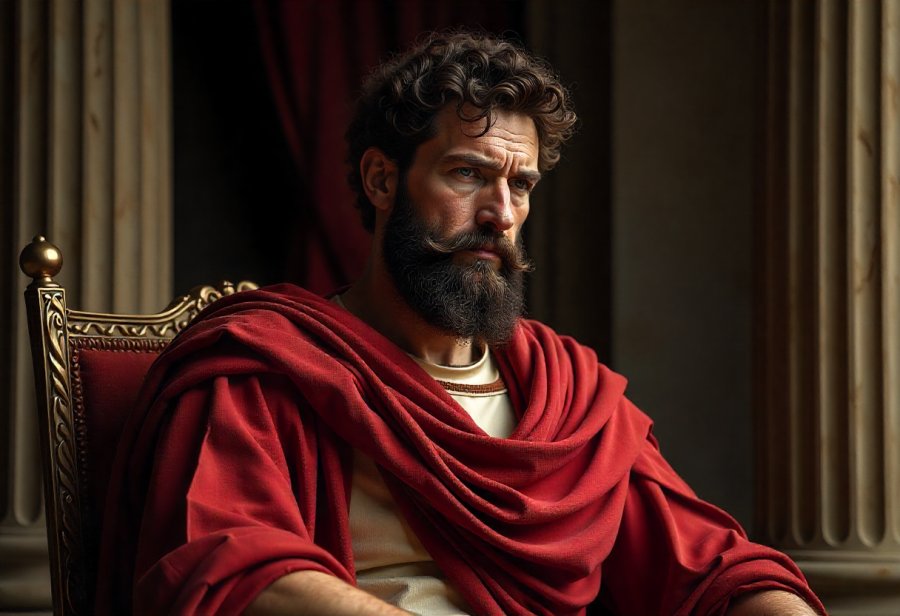
The story of Christopher Columbus is a compelling saga of daring exploration, groundbreaking discovery, and enduring controversy. Did his 1492 voyage truly reveal a new world, or was it a myth fueled by ambition? This journey, fueled by technological advances and European rivalry, opened the door to the Americas and reshaped global history—yet it also marked the beginning of centuries of exploitation and cultural devastation for indigenous peoples. Columbus’s legacy is a complex tapestry of triumph and tragedy, celebrated as a pioneer of discovery but also condemned for violence and systemic oppression. Modern perspectives challenge traditional narratives, prompting debates over statues, holidays, and how history should be remembered. His voyages symbolize both curiosity’s power and the profound human costs of expansion—raising the question: can we fully honor exploration without acknowledging its darker consequences?
Journey Into the Unknown: Columbus and the Age of Exploration
The story of Christopher Columbus is a pivotal chapter in world history, capturing a moment of daring adventure and groundbreaking discovery. His voyages in the late 15th century took place during the Age of Exploration, an era driven by technological innovation, curiosity, and the relentless ambition of European nations to expand their influence. Columbus’s 1492 journey is often seen as the event that linked distant continents, reshaping how people understood the world and its possibilities. Yet, his story is as complex as it is influential, blending achievement with controversy.
This period was marked by rapid advancements in navigation, such as the magnetic compass and more accurate maps, which made long sea voyages increasingly feasible. European powers like Spain and Portugal were eager to find new trade routes and access Asian markets, often competing fiercely for dominance. Columbus, born in Genoa around 1451, was no stranger to the sea. From a young age, he was captivated by maps and distant lands, fueling his dreams of discovering a western route to Asia. His early explorations along Italy’s coast and in the Mediterranean laid the groundwork for his later ambitions.
Despite widespread beliefs that the world was small, crossing the Atlantic was an immense challenge filled with uncertainty. Columbus’s conviction that he could reach Asia by sailing west was inspired by the works of ancient geographers like Ptolemy and a desire to find a shorter, more direct route. Years of persistence finally paid off when he gained backing from Spain’s Queen Isabella and King Ferdinand, who saw the potential for wealth and global prestige.
In August 1492, Columbus set sail with three ships—Santa María, Pinta, and Niña—into uncharted waters. The journey was perilous, with fears mounting among the crew as weeks passed without sight of land. Columbus’s navigation skills and unwavering confidence kept the expedition on course, culminating in the sighting of land on October 12, 1492. Instead of Asia, he encountered a new continent—the Americas—opening a new chapter in global history.
Columbus’s arrival in the Caribbean sparked a wave of European exploration and colonization. His voyages transformed the world map and set in motion centuries of cultural exchange, trade, and conflict. While celebrated for connecting distant lands, his legacy is also tainted by the violence and exploitation inflicted upon indigenous peoples. His story continues to evoke debate, reflecting both the daring spirit of discovery and the darker consequences of expansion.
Setting the Stage: The World Before Columbus’s Voyage
Before Columbus’s historic voyage, the world map was a patchwork of known lands, myths, and uncharted territories. European nations like Spain and Portugal were eager to expand their influence, driven by the pursuit of wealth, new trade routes, and national prestige. Advances in navigation—such as the magnetic compass, the astrolabe, and improved ship designs—made long ocean journeys more feasible, fueling a surge of exploration. These innovations, combined with fierce competition among European powers, pushed explorers to seek direct routes to Asia, often unaware of the vast continents waiting to be discovered.
Columbus himself was born in Genoa around 1451 into a modest family. His father was a wool weaver, and his mother came from a family of merchants. From a young age, Columbus was captivated by maps and distant lands, nurturing a lifelong fascination with exploration. He gained practical experience sailing along Italy’s coast and in the Mediterranean, gradually honing his skills and expanding his understanding of navigation. These early years laid the groundwork for his bold ambitions to find a westward route to Asia.
During the late 15th century, European maritime technology experienced rapid progress. The magnetic compass and the astrolabe allowed sailors to navigate more accurately across open waters, while innovations like the caravel ship design made venturing into the Atlantic safer and more manageable. Spain and Portugal launched numerous expeditions to find new trade routes, motivated by economic interests and rivalry. These technological breakthroughs created a fertile environment for explorers like Columbus, who believed they could cross the Atlantic and reach Asia much faster than overland routes.
Many Europeans held the belief that the Earth was relatively small, an idea rooted in ancient geographers’ writings, and that the Atlantic was an insurmountable barrier. Columbus’s conviction challenged this notion. Inspired by Ptolemy’s maps and the hope of discovering a shorter path to the East, he was convinced that lands lay beyond the horizon. Despite widespread skepticism, he persisted in his pursuit, driven by a mix of curiosity, faith, and a desire for fame and fortune.
The geopolitical landscape was marked by intense rivalry among European nations. Spain and Portugal, in particular, competed fiercely to claim new lands and establish dominance. These rivalries fueled investments in exploration, as each nation sought to outmaneuver the other in securing strategic territories and lucrative trade routes. Columbus’s voyage was part of this larger contest, backed by Spain’s monarchs who saw exploration as a way to enhance their global stature.
The breakthroughs in navigation and shipbuilding, combined with the political and economic ambitions of European powers, set the stage for Columbus’s daring journey. His background—a blend of curiosity, resilience, and seafaring skill—aligned perfectly with these broader trends. His unwavering belief that lands existed beyond the Atlantic helped propel him into uncharted waters, literally and figuratively, opening a new chapter in human history.
In 1492, these converging factors culminated in Columbus’s historic departure. His voyage was not just a quest for wealth or fame but a bold step into the unknown, driven by a mix of technological innovation, geopolitical rivalry, and cultural aspiration. The discoveries that followed would forever alter the world map, reshaping how nations, peoples, and civilizations interacted across continents.
Pioneering Seas: The Planning and Execution of Columbus’s 1492 Expedition
Columbus’s first voyage in 1492 was the result of years of meticulous planning and persistent effort to secure support. After facing rejection from Portugal, England, and other European courts, he finally gained backing from Spain’s Queen Isabella and King Ferdinand. They saw potential in his bold idea—a westward route to Asia that promised wealth, prestige, and a strategic advantage. Their sponsorship marked the turning point that set the expedition into motion.
With royal approval, Columbus was entrusted with three ships: the Santa María, the Pinta, and the Niña. The ships were modest by today’s standards but advanced for their time, designed to handle the unpredictable Atlantic crossing. As August 1492 approached, crews prepared for the unknown, knowing the journey would be perilous and filled with uncertainty. Columbus’s leadership was crucial in rallying them, convincing skeptics to trust his navigation and resolve.
The fleet set sail from Palos de la Frontera on August 3, 1492, embarking into uncharted waters. The voyage across the Atlantic was grueling, with long weeks at sea and mounting tensions among the crew. Some sailors doubted whether Columbus’s calculations were correct, fearing they might be sailing off the edge of the world. Despite these fears, Columbus remained confident, relying on his navigation skills and the latest tools—like the magnetic compass and early maps—to keep the ships on course.
Weeks of sailing without sight of land weighed heavily on everyone. The crew’s morale dipped as supplies dwindled and fears grew. Columbus’s steady leadership and unwavering conviction helped maintain discipline and hope. Finally, on October 12, 1492, land appeared—an island in the Caribbean that Columbus named San Salvador. Though he believed he had reached Asia’s outskirts, he had actually discovered a vast, uncharted continent, opening a new chapter in world history.
Columbus’s arrival in the Caribbean marked the beginning of European exploration and colonization in the Americas. His voyage demonstrated that with determination, innovation, and a bit of luck, explorers could push beyond known boundaries. While he still thought he had reached Asia, his journey proved that the world was larger and more connected than anyone had previously imagined. This daring expedition forever altered the course of human history.
Conquest and Controversy: The Impact of Colonization on Indigenous Peoples
Columbus’s arrival in the Americas marked the beginning of European colonization, but it also unleashed a wave of devastating consequences for indigenous populations. Driven by a relentless pursuit of gold and resources, Columbus and his men imposed harsh conditions, enslaving natives and forcing them into labor systems that caused immense suffering. These actions set a pattern of exploitation that would persist for centuries, fundamentally disrupting native societies and ways of life.
The impact on indigenous communities was catastrophic. European diseases such as smallpox, measles, and influenza spread rapidly among populations with no immunity, decimating entire villages and erasing centuries-old cultures. The social fabric of many tribes unraveled as traditional practices, languages, and religions were forcibly suppressed or eradicated, replaced by European customs and faiths. This cultural upheaval often accompanied violent conquest, leaving scars that still influence indigenous communities today.
Columbus’s treatment of native peoples reflected a mindset of conquest and entitlement. Viewing their lands as resources to be exploited, he prioritized wealth extraction over their well-being. His policies and actions laid the groundwork for a colonial system built on violence, displacement, and systemic inequality. The forced labor and violent campaigns initiated during his tenure resulted in the deaths of countless indigenous people, often in brutal conditions that caused long-lasting trauma.
The legacy of this early colonization is complex. While Columbus’s voyages expanded the known world and opened new trade routes, they also marked the start of a dark chapter—one characterized by cultural destruction, dispossession, and human suffering. Native populations faced centuries of marginalization, their histories rewritten to fit European narratives. Recognizing these truths complicates the traditional celebration of Columbus, prompting a reevaluation of his role in history.
Today, debates about Columbus’s legacy are more intense than ever. Many cities and institutions have removed statues and renamed holidays to acknowledge the suffering caused by colonization. This shift reflects a broader effort to confront uncomfortable truths about history, emphasizing the importance of honoring indigenous perspectives and experiences. It’s a reminder that exploration’s costs are often hidden beneath stories of discovery.
The story of Columbus’s colonization efforts underscores how exploration is rarely free of consequences. Beneath the veneer of adventure and achievement lies a legacy of displacement, violence, and loss for native peoples. Acknowledging these realities doesn’t diminish the significance of his voyages but enriches our understanding of their full impact. It invites us to see history not as a simple tale of triumph but as a complex tapestry of human resilience and tragedy.
Confronting this darker side of exploration helps foster a more honest, inclusive narrative. It encourages us to learn from the past—recognizing both the daring spirit of discovery and the human costs it entailed. This balanced perspective is essential for building a future rooted in respect, understanding, and acknowledgment of all histories. Columbus’s story remains a powerful reminder of exploration’s dual nature—its capacity to open worlds and to cause profound harm.
Reflections and Revisions: How Modern Perspectives Redefine Columbus’s Legacy
Today, perceptions of Columbus are more complicated than ever. For centuries, he was celebrated as a fearless explorer who opened the doors to a new world, with statues, holidays, and textbooks emphasizing his role as the “discoverer” of the Americas. But in recent years, that narrative has come under increased scrutiny. Indigenous communities and historians highlight the violence, displacement, and cultural destruction that followed his voyages, challenging the simplified stories many grew up with. As a result, debates about how to remember Columbus have intensified, sparking calls to reevaluate his legacy.
Many cities and institutions have responded by removing statues or renaming holidays that once celebrated him. These actions reflect a broader effort to confront uncomfortable truths about colonization and acknowledge the lasting trauma inflicted on indigenous peoples. Recognizing these darker aspects doesn’t erase Columbus’s navigational achievements but urges us to tell a more honest and complete story—one that includes both discovery and devastation.
This shift in perspective reveals how collective memory is shaped and reshaped over time. It shows that history isn’t fixed; it’s a dialogue that evolves with societal values. Celebrating Columbus without considering the consequences risks oversimplifying a complex past. Instead, embracing a fuller story encourages a deeper understanding of how exploration, often intertwined with violence, has shaped the modern world.
The way we remember Columbus also reflects broader societal values today. It exposes the tension between celebrating human curiosity and acknowledging the human costs of expansion. For many, Columbus still symbolizes European ambition and the interconnectedness of continents. For others, he embodies the start of centuries of oppression and cultural loss. This ongoing debate pushes us to think critically about whose stories are told and how history is framed.
Confronting these contradictions fosters a more inclusive narrative. It invites us to recognize the resilience of indigenous peoples and the enduring impacts of colonization. Acknowledging both the achievements and the harms associated with Columbus’s voyages helps us avoid romanticizing a one-sided version of history. It encourages us to reflect on the lessons of the past and how they continue to influence the present.
This reevaluation isn’t about rewriting history but about filling in the gaps. It’s about understanding the full scope of Columbus’s legacy—its capacity to inspire discovery and its role in human suffering. By facing these truths, we move toward a more honest, respectful conversation about history, identity, and the ongoing process of reconciliation.
In the end, Columbus’s story remains a powerful symbol of human curiosity and the complex legacy of exploration. Recognizing both sides of his impact enriches our understanding of history and reminds us that discovery often comes with profound consequences. Confronting these realities allows us to build a more inclusive future—one rooted in truth, empathy, and a shared commitment to learning from the past.