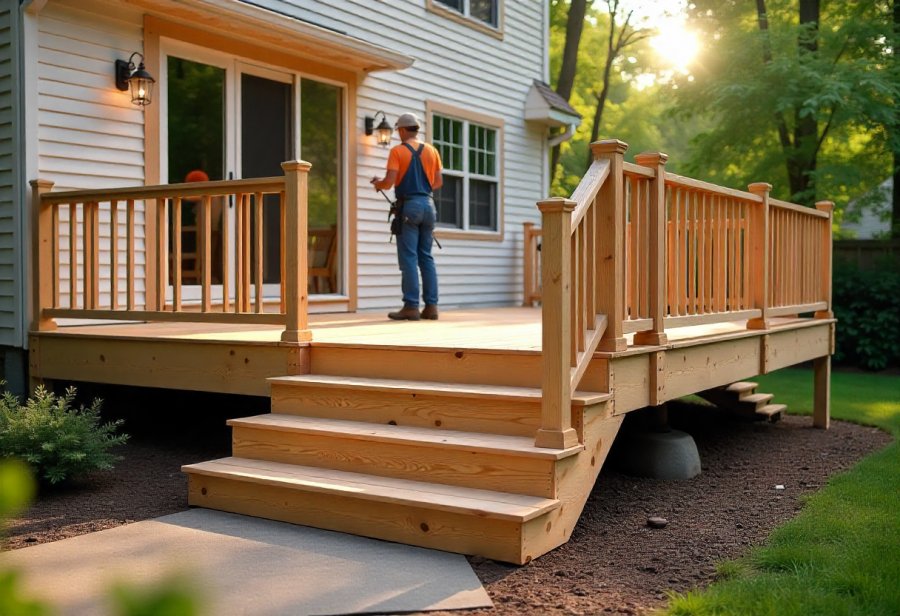
Transforming Toronto yards into stunning outdoor retreats is more than just aesthetic enhancement—it’s a delicate balance of beauty, sustainability, and client satisfaction. How can homeowners craft spaces that serve as private sanctuaries while supporting environmental health? This guide explores the evolution from traditional formal gardens to innovative, eco-friendly landscapes that withstand Toronto’s seasonal extremes. From native plants and recycled materials to energy-efficient features like solar lights and smart irrigation, the focus is on creating resilient, low-maintenance environments that harmonize with nature. The process emphasizes seamless design and installation, prioritizing clear communication, craftsmanship, and ongoing care to meet homeowners’ unique needs. As the industry moves toward ecological integration with features like living walls and permaculture principles, the future of outdoor spaces promises vibrant, sustainable retreats that uphold both beauty and environmental responsibility. Are you ready to reimagine your yard as a resilient, breathtaking haven?
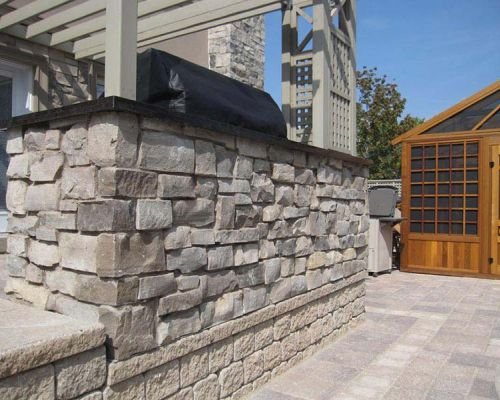
Transform Toronto Yards into Personal Outdoor Retreats
Transforming Toronto yards into inviting outdoor retreats has become a vital element of modern home improvement. As urban spaces grow more crowded and limited, homeowners are seeking ways to create personal havens right outside their doors—spaces that serve as escapes from city life. These outdoor areas are about more than just looking good; they’re about crafting environments where families can relax, entertain, and reconnect with nature without leaving home.
A well-designed yard can do much more than boost curb appeal. It extends the living space, adding value and personality to a property while providing a private sanctuary. Turning a simple patch of grass or bare concrete into a beautiful retreat involves thoughtful planning—balancing aesthetics with functionality and environmental responsibility. Toronto’s distinct climate, characterized by cold winters and hot summers, influences every decision, encouraging designs that are resilient and adaptable year-round.
Today’s outdoor transformations focus on creating spaces that are as sustainable as they are stunning. Native plants, eco-friendly materials, and water-saving techniques are now common choices for homeowners aiming to reduce their environmental footprint. These strategies not only conserve resources but also support local ecosystems, attracting pollinators and wildlife. Incorporating such elements ensures the outdoor retreat remains vibrant, inviting, and low-maintenance throughout the seasons.
The scope of yard makeovers extends beyond planting schemes. Hardscape features like patios, pathways, and seating areas provide structure and encourage outdoor living. Lighting and water features add ambiance, transforming a basic yard into a cozy outdoor living room. Every element should work in harmony, reflecting the homeowner’s personality while enhancing the overall cohesion of the space.
Successful transformations start with clear goals and careful planning. Whether the focus is on family-friendly zones, entertainment spaces, or peaceful gardens, each decision should support these objectives. Selecting native plants and eco-conscious materials minimizes upkeep and environmental impact. Privacy, safety, and accessibility are equally important, ensuring the yard is functional and welcoming for everyone.
Toronto’s landscape has evolved, blending traditional charm with modern sustainability. From formal gardens to rain gardens and native plantings, the city’s outdoor spaces now mirror a growing awareness of environmental issues and resilience. These efforts demonstrate that beauty and responsibility can go hand in hand, creating outdoor retreats that are not only visually appealing but also environmentally sound and durable.
Master the Principles of Landscape Design in Toronto
Landscape design in Toronto has a deep-rooted history that reflects both its traditional European influences and the city’s modern innovations. Early gardens often featured formal layouts, symmetry, and ornamental plants, emphasizing aesthetic appeal over practicality. These classic designs created striking outdoor spaces but sometimes lacked the flexibility required for everyday living. As Toronto grew and urbanized, homeowners and landscape professionals shifted toward more sustainable and purpose-driven landscapes, blending beauty with environmental responsibility.
Today’s successful landscape design balances visual harmony with ecological awareness. Core principles like proportion, flow, and focal points remain essential, but they are now complemented by a focus on native plants, eco-friendly materials, and climate-adapted solutions. Toronto’s variable weather—hot summers and cold winters—drives innovations such as drought-resistant plantings, rain gardens, and permeable hardscapes that help landscapes withstand seasonal extremes while minimizing maintenance. This evolution underscores the importance of creating resilient, low-maintenance outdoor spaces.
Designing a yard goes beyond selecting pretty plants; it involves understanding how each element interacts within the environment. Good design considers scale, proportion, and the relationship between hardscape and softscape features to ensure cohesion. Incorporating focal points, like fire pits or water features, adds visual interest and encourages outdoor gatherings. Layering different textures and plant varieties creates depth, making the space feel inviting and dynamic. Every detail should support the overall purpose, whether it’s relaxation, entertainment, or family activities.
Understanding the homeowner’s lifestyle shapes the entire design process. Whether prioritizing safety for children, privacy for relaxation, or functionality for entertaining, these needs influence plant choices and layout. Personal preferences combined with practical considerations—like ease of maintenance and environmental impact—help craft a yard that truly reflects its owners. This tailored approach ensures the outdoor space is not only beautiful but also fully functional and aligned with their daily routines.
Landscape design is an ongoing process, evolving with changing needs and environmental conditions. Regular maintenance, including pruning, mulching, and seasonal planting, keeps the landscape vibrant and healthy. Incorporating native and drought-tolerant species reduces resource use and supports local ecosystems, making landscapes more sustainable over time. Using environmentally friendly materials and water-saving techniques further enhances resilience, proving that good design can be both stunning and eco-conscious.
This theme is addressed on GTA Crier by Rae Lewis in the article Transform Your Yard into a Sustainable Outdoor Sanctuary.
Toronto’s landscape practices now blend traditional elegance with innovative, sustainable strategies. This ongoing shift ensures outdoor spaces remain resilient, beautiful, and in harmony with the environment. Embracing native plants, eco-friendly materials, and smart design principles, homeowners and designers create yards that are not only visually appealing but also capable of supporting long-term environmental health. This balanced approach is shaping the future of outdoor spaces in Toronto—spaces that are as sustainable as they are stunning.
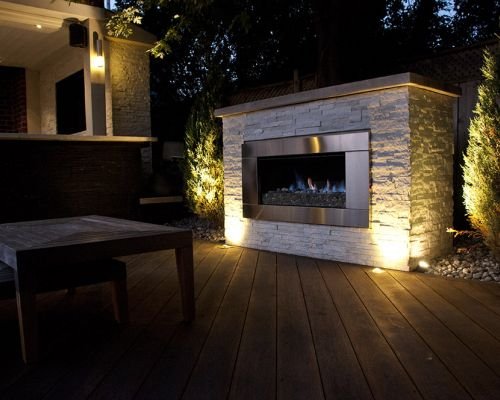
Embrace Sustainable Landscaping Practices for a Greener Future
Modern sustainable landscaping in Toronto revolves around smart, eco-friendly practices that blend beauty with environmental responsibility. Native plants are at the heart of this approach, as they are naturally adapted to Toronto’s climate, requiring less water, fertilizers, and pesticides. By choosing local species, homeowners not only reduce resource consumption but also support native insects, birds, and pollinators, creating healthier ecosystems and vibrant gardens that thrive through seasonal shifts.
Recycling and the use of organic materials further enhance sustainability. Reclaimed wood, recycled stone, and permeable pavers minimize waste and add character to outdoor spaces. These environmentally conscious hardscape choices help manage stormwater runoff, preventing waterlogging and easing the burden on city drainage systems. Rain gardens, for instance, effectively capture rainwater where it falls, reducing urban flooding while adding visual interest and ecological benefits to the yard.
The topic is expanded upon in Transform Your Yard Into a Beautiful Sustainable Outdoor Retreat, an article by Jens Williams on Big News Japan.
Energy-efficient features are increasingly commonplace, elevating outdoor design to new levels of sustainability. Solar-powered lighting and water features provide ambiance without increasing energy consumption, while smart irrigation systems equipped with weather sensors optimize watering schedules. These technologies conserve water and electricity, making outdoor spaces easier to maintain and more eco-friendly, perfectly aligning with Toronto’s environmental goals.
Designing for resilience is also a key focus. Drought-tolerant, climate-adapted plants withstand weather extremes with minimal intervention. Incorporating natural airflow and shading reduces the need for artificial cooling, lowering energy costs inside the home and ensuring outdoor comfort year-round. These practices foster landscapes that are not only stunning but also long-lasting, requiring less ongoing care and resources.
Innovative features like living walls, green roofs, and permaculture principles are transforming small urban yards into thriving ecosystems. These designs maximize space, support biodiversity, and improve air quality, demonstrating a shift from traditional landscaping toward ecosystems that mimic natural processes. Such approaches promote resilience, support urban wildlife, and exemplify Toronto’s move toward environmentally integrated outdoor spaces that are both beautiful and sustainable.
Ensure Client Happiness with Seamless Design and Expert Installation
Ensuring client satisfaction from the initial consultation through project completion depends on clear communication and precise planning. It begins with understanding the homeowner’s vision—listening carefully to their ideas, needs, and daily routines. This foundation allows us to craft a design that feels personal and aligns perfectly with their lifestyle. Regular updates and progress reports keep clients engaged, making them active participants in the process and allowing early adjustments to prevent surprises later on.
During installation, attention to detail and craftsmanship are paramount. Our skilled team executes each element—hardscape, plantings, lighting—with precision, adhering closely to the approved plans. We remain flexible to address unforeseen challenges quickly, ensuring the project stays on track without compromising quality or design intent. Transparency about timelines and ongoing progress builds trust, keeping clients confident and involved every step of the way.
A collaborative approach fosters stronger relationships and better results. Providing clear schedules and phased milestones helps clients understand what to expect and when, while encouraging feedback at each stage ensures their ideas and concerns are addressed promptly. When clients feel heard and valued, their satisfaction naturally increases, transforming a landscaping project into a shared journey rather than just a service.
Post-installation, a thorough walk-through allows us to review every detail together. This final step offers an opportunity to address any concerns, explain maintenance routines, and highlight features that support the landscape’s sustainability. Leaving clients confident in caring for their new outdoor space reinforces the value of the design and installation, ensuring it remains beautiful and functional for years to come.
Using the right tools and methods streamlines the entire process. Design software like SketchUp or AutoCAD helps visualize the finished yard, securing client approval before work begins. Clear project timelines, phased schedules, and routine updates keep everyone aligned, minimizing miscommunication. During installation, adhering to high standards guarantees that every detail meets expectations, resulting in a landscape built to last.
A related explanation can be found in Transform Your Outdoor Space with Sustainable and Beautiful Landscaping, written by Cal Sanders on Hello Darling.
Responsiveness and professionalism are key. Promptly answering questions, respecting client input, and maintaining a tidy, safe worksite foster a positive experience. When homeowners feel valued and involved, they develop pride in their outdoor space and confidence in our work. This positive experience often leads to long-term relationships and referrals, reinforcing our reputation for reliability and quality.
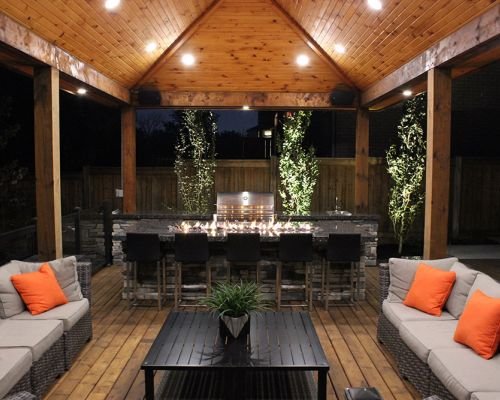
Explore Future Trends in Eco-Friendly Outdoor Spaces
As outdoor design continues to advance, sustainability and innovation are shaping Toronto’s landscape future. Homeowners and designers are increasingly adopting smarter, energy-efficient solutions like solar lighting, automated irrigation, and biodegradable materials. These practices make it easier to craft outdoor retreats that combine beauty with environmental responsibility, seamlessly integrating aesthetic appeal with eco-conscious techniques.
Emerging features such as living walls, green roofs, and biodiversity-focused plantings are transforming small urban yards into thriving ecosystems. These designs support local wildlife, improve air quality, and add visual interest, reflecting a shift from traditional landscaping toward eco-integrated solutions. Such innovations help create resilient outdoor spaces that adapt to climate variations while requiring less maintenance, ensuring they remain vibrant year-round.
Technology’s role in this evolution is undeniable. Smart irrigation systems, climate-controlled lighting, and energy-efficient features give homeowners greater control and efficiency. Managing resources becomes easier, reducing water and energy consumption while maintaining lush, healthy gardens. As environmental awareness grows, these practices are no longer optional—they are becoming standard, driving the industry toward more sustainable, responsible outdoor spaces.
Designing for resilience is now central to outdoor planning. Incorporating drought-tolerant plants, natural shading, and natural airflow enhances a landscape’s capacity to withstand weather extremes. These features not only support long-term sustainability but also lower ongoing costs and effort, creating outdoor environments that are both beautiful and durable.
Looking ahead, permaculture principles and ecological design strategies will continue to influence Toronto’s outdoor spaces. These approaches emphasize creating self-sustaining landscapes that recover quickly from storms, droughts, or cold snaps. Such resilient designs foster not only environmental health but also a sense of harmony between human spaces and nature, promoting urban biodiversity and ecological balance.
The future belongs to landscapes that prioritize harmony with nature, adaptability, and minimal environmental impact. Native plants, sustainable materials, and innovative technologies will be woven into every project, transforming yards into vibrant, responsible retreats. These spaces will serve as models of beauty and resilience, demonstrating that outdoor living can be both inspiring and environmentally supportive.
As the city embraces these trends, outdoor spaces will become more than just aesthetic features—they will be vital components of urban resilience. Homes will reflect a commitment to sustainability, blending functionality with ecological mindfulness. This ongoing shift ensures that Toronto’s yards will remain lively, sustainable, and meaningful for generations to come.
In this evolving landscape, the integration of technology, ecological awareness, and creative design will continue to push boundaries. The goal is to cultivate outdoor retreats that are not only visually stunning but also ecologically responsible and adaptable. Such landscapes will embody a future where beauty and sustainability coexist effortlessly, inspiring homeowners to think differently about their outdoor spaces and their role within the environment.