Behind every vintage restoration lies more than just mechanical skill; it’s a passion rooted in patience, artistry, and a deep love for craftsmanship. What secrets do backyard mechanics possess, hidden in their tools, techniques, and personal touches? Their garages are sanctuaries—spaces where time slows, stories unfold, and each bolt and surface reflects dedication and perseverance. This craft transforms routine repairs into meditative rituals, elevating simple fixes into personal masterpieces infused with history and character. As mechanics hone their skills through years of hands-on problem-solving, they forge a profound bond with their machines, turning restoration into a form of self-expression. Yet, amidst the visible polish, it’s the subtle secrets—specialized techniques and quiet wisdom—that elevate these projects from functional repairs to enduring works of art. What drives this obsession, and what hidden stories lie behind these passionate pursuits?
Discover Your Personal Sanctuary: The Backyard Garage as a Space of Passion and Revival
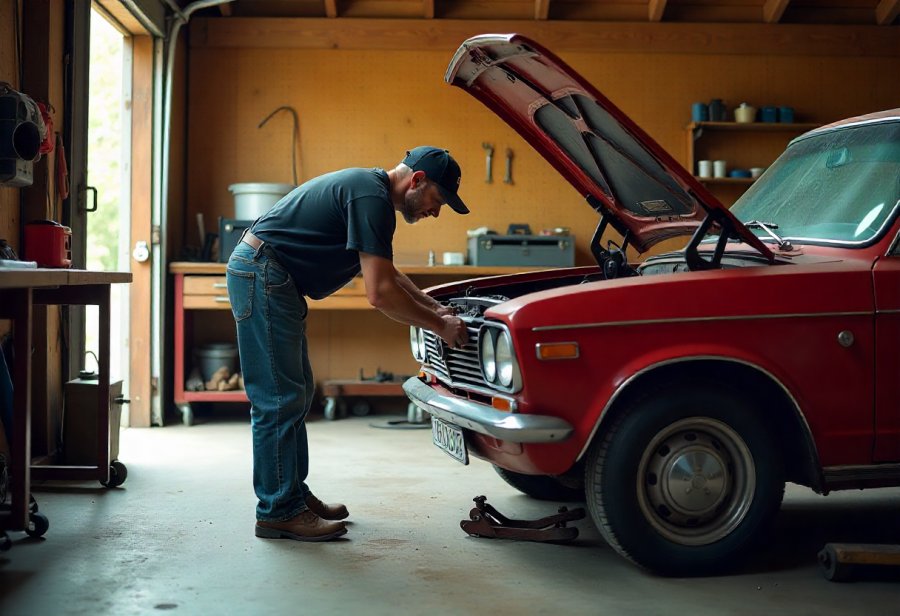
A backyard garage isn’t just a storage space; it’s a personal sanctuary where passion for mechanics and craftsmanship come alive. It’s a place shaped by the owner’s love for cars—a workshop that reflects hours of dedication, patience, and a desire to create something meaningful. Unlike a simple shed, this environment is carefully organized, inviting focus and a sense of purpose. Every tool, shelf, and corner tells a story of years spent honing skills and building a connection with machines.
Inside, the familiar sights evoke a sense of pride and nostalgia. A sturdy workbench stands at the center, surrounded by shelves filled with parts and a pegboard laden with tools—each one within easy reach, ready for the next project. Over time, these spaces grow more than functional—they become a reflection of the owner’s personality and journey. Vintage posters, well-worn socket sets, and custom touches add character, turning the garage into a space of personal expression.
For many enthusiasts, this isn’t just a workspace; it’s a retreat. A quiet refuge where worries fade, replaced by the rhythmic hum of engines and the scent of oil and metal. It’s where restoration projects unfold slowly, with patience and focus transforming mechanical work into a meditative ritual. Hours pass unnoticed as they chase the perfect fit or polish a worn surface—driven by a love for revival rooted in craftsmanship and perseverance.
This space also acts as a foundation for personal growth. Restoring vintage cars or tuning engines isn’t just about fixing things; it’s about mastering techniques, solving problems, and developing confidence. Each bolt tightened, each surface polished, becomes a small victory that fuels a sense of independence. The garage is more than a workshop—it’s a place where patience, skill, and passion come together to forge a deeper connection to the craft.
What makes these garages truly special is the emotional bond they foster. They are reflections of resilience and dedication, where pride and quiet satisfaction thrive. Every project becomes a chapter in a broader story of craftsmanship—an ongoing journey of learning, discovery, and revival. This sanctuary of passion isn’t just about restoring machines; it’s about nurturing a love for the art of mechanical revival that continues to inspire long after the last bolt is tightened.
The Heart of the Garage: How Passion Transforms Mechanics into Art
At the core of every backyard garage is an emotional bond that transforms mechanical work into art. For many enthusiasts, fixing or restoring a vehicle isn’t just about solving problems; it’s about self-expression and a deep connection with their machines. There’s a poetry in tuning an engine or restoring a vintage body—each step infused with patience and craftsmanship that elevates routine repairs into acts of love. This bond makes the work meaningful, turning a simple task into a meditative, almost ritualistic process.
Restoring a vintage machine demands focus and patience. Mechanics spend hours carefully sanding rust away, welding patches, or polishing surfaces—all with an eye for detail. These moments aren’t rushed; they’re deliberate pauses that honor the vehicle’s history and beauty. The process becomes a dance of precision, where every weld, every buff, and every adjustment reflects a deep respect for craftsmanship. It’s this artistry that breathes new life into neglected relics, transforming them into proud, shining symbols of revival.
Beyond the technical, there’s an intuitive understanding that develops over time. Mechanics learn to listen to their machines—the subtle hum of an engine, the slight rattle that signals a problem. This sensitivity deepens their emotional connection, making each repair a conversation rather than a chore. The garage becomes a sanctuary where patience, skill, and love come together, creating a space that’s as much about personal storytelling as it is about restoring metal and paint.
This emotional and artistic connection makes every project a reflection of the mechanic’s dedication. The garage isn’t just a workspace; it’s a place where passion is poured into every bolt tightened and surface polished. Each restored vehicle carries a piece of the mechanic’s soul—an imprint of perseverance and love for craftsmanship. The space becomes a testament to the patience and artistry that turn raw materials into timeless machines, fueling a lifelong passion for revival and repair.
Mastering the Ritual of Restoration: Patience and Precision in Vintage Revival
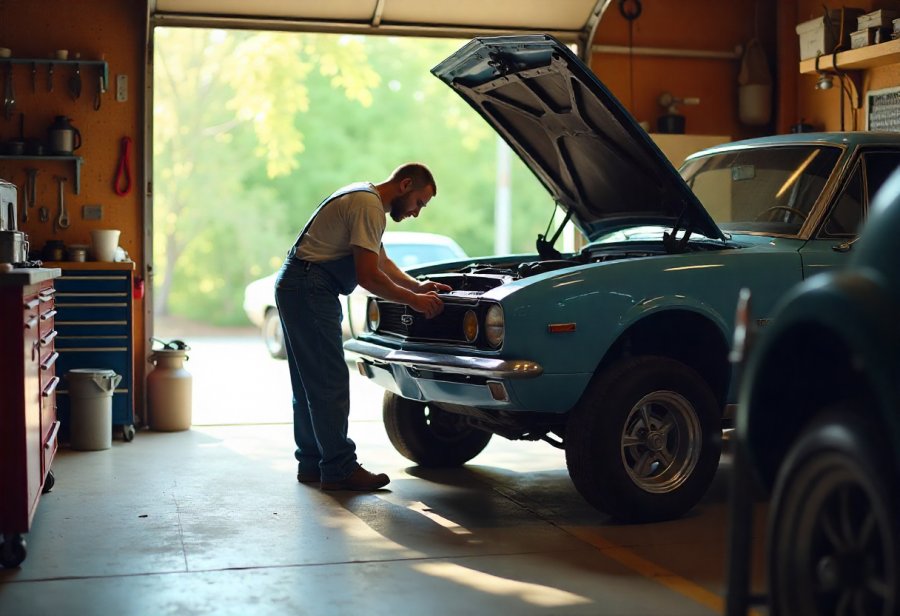
Restoring vintage machines in a backyard garage is a craft rooted in patience, precision, and artistry. The process begins with a thorough assessment of the vehicle’s condition—carefully identifying rusted panels, seized engines, and missing parts. This initial step sets the tone, demanding a respectful, deliberate approach that honors the machine’s history while envisioning its potential revival.
Once evaluated, the real work unfolds. Sanding away rust and peeling paint reveals the metal beneath, requiring steady hands and a gentle touch. Every scrape and polish is a mindful act—removing imperfections without damaging the underlying structure. This stage embodies patience, as rushing can compromise quality and authenticity. It’s a balancing act of careful craftsmanship, transforming neglect into a clean canvas ready for revival.
Fitting new parts or repairing damaged sections involves meticulous adjustments. Welding patches or fabricating replacement panels demand accuracy and care. Each weld must be checked, polished, and seamlessly integrated to preserve the vehicle’s original lines and integrity. These detailed steps refine the mechanic’s skills, fostering an intuitive understanding of materials and techniques that elevates the project beyond mere repair.
Throughout the restoration, patience remains the guiding principle. Projects often span months or even years—especially when sourcing rare parts or maintaining originality. Rushing risks mistakes, so embracing a slow, deliberate pace ensures each step reflects quality and respect for the vehicle’s character. The final touches—polishing, painting, and reassembling—are where artistry truly shines, bringing the machine back to life with a vibrant, renewed spirit.
This ritual of revival turns mechanical work into a meditative process. Every detail, from buffing surfaces to carefully aligning components, becomes a form of storytelling—breathing new life into objects that carry history and character. The patience, skill, and artistry involved elevate each project into a personal masterpiece, transforming the garage into a sanctuary of craftsmanship and devotion. Here, restoring a vintage machine isn’t just about fixing; it’s about creating something timeless, fueled by love and meticulous care.
From Passion to Skill: Practical Lessons and Real-World Results in Your Garage
Working in a backyard garage does more than nurture passion—it builds practical skills that stay with you long after the last bolt is tightened. Every project becomes a hands-on lesson in diagnosing issues, troubleshooting problems, and working systematically through complex repairs. These problem-solving abilities often translate into real-world confidence, whether tackling other DIY tasks around the home or handling unexpected mechanical surprises with ease.
The process of working with tools and techniques sharpens fine motor skills and deepens understanding of how mechanical systems operate. From aligning parts to fabricating custom pieces or perfecting a weld, each task reinforces a sense of mastery that’s hard to find elsewhere. Over time, these skills can even open doors to careers in automotive repair or other technical fields, but even as a hobby, they’re invaluable.
Restoration projects teach resourcefulness and independence. Sourcing rare parts from salvage yards, online marketplaces, or specialty shops becomes second nature, sharpening an eye for authenticity and value. Mechanics learn to improvise with available tools and materials, sometimes fabricating solutions that save money and deepen their understanding of how different components work together. This resourcefulness turns challenges into opportunities for creative problem-solving.
Patience and perseverance are at the heart of every successful project. Completing a restoration or repair from start to finish provides a tangible sense of achievement—proof that dedication and careful work pay off. Each step, whether rebuilding an engine or restoring a vintage body, builds confidence and pride. It’s about proving to yourself that you can fix what’s broken and improve what’s worn down through skill and patience.
The process also sparks a continual desire to learn. Every project becomes a milestone, inspiring new challenges like tuning engines for better performance or customizing vehicles to reflect a personal style. The skills developed extend beyond cars—they foster a mindset rooted in continuous improvement, innovation, and hands-on problem-solving that can be applied in many areas of life.
Working in the garage cultivates resourcefulness by encouraging repairs and modifications with limited resources. Fabricating or repairing on the fly teaches adaptability and a “think outside the box” attitude, valuable traits in any situation. This hands-on approach to problem-solving fosters confidence and independence, equipping enthusiasts to handle future challenges with resilience and creativity.
Ultimately, the passion poured into the garage results in more than polished vehicles—it creates a mindset of craftsmanship, patience, and self-reliance. The skills and confidence gained here translate into everyday life, empowering individuals to approach problems with a practical, solution-oriented attitude. This space becomes not just a workshop, but a training ground for resilience, mastery, and personal growth.
Final Reflections: Uncovering the Secrets and Spirit of the Garage Sanctuary
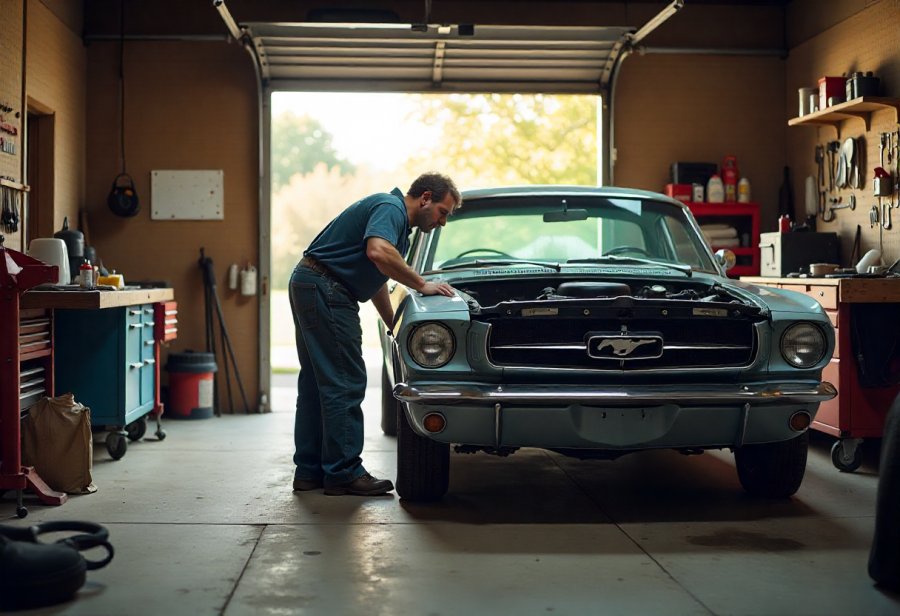
The heart of the backyard mechanic’s garage lies in the passion and craftsmanship that transform a simple space into a true sanctuary. This isn’t just about fixing cars; it’s about preserving stories, honing skills, and uncovering the secrets that elevate each project from routine repair to a personal masterpiece. The real magic often resides in the small, often unnoticed techniques—specialized tools, unique repair methods, or personal adjustments—that seasoned enthusiasts develop over years. These subtle secrets are what set apart a good restoration from a work of art, adding depth, character, and mastery to every detail.
At its core, this space embodies more than just tools and parts. It reflects a deep love for the craft, a respect for history, and a quiet pride in craftsmanship that keeps the passion alive. Every bolt tightened and engine tuned carries a story of patience, perseverance, and love for revival. The garage becomes a retreat where time slows, focus sharpens, and the mechanic’s dedication is visible in every polished surface and carefully restored component. It’s a place where the act of revival becomes a meditative ritual, and each project is a testament to the artistry involved.
The true secrets behind these garages often lie in the smallest details—specific techniques, personalized adjustments, or time-honored methods passed down among trusted enthusiasts. These hidden tricks and insights turn ordinary repairs into extraordinary achievements. They are part of a shared language of craftsmanship that deepens the mechanic’s expertise and passion, creating a sense of community rooted in mutual respect for the art of revival. These secrets, kept close but sometimes shared in quiet moments, keep the craft vibrant and evolving through generations.
Passion fuels every aspect of this work, driving enthusiasts to seek out rare parts, experiment with new techniques, and dedicate hours to breathing new life into old machines. This love for the craft transforms each project into more than just a restoration; it becomes a personal expression, a story told through meticulous work and careful attention to detail. The garage is a sanctuary where patience, skill, and love come together, creating a space that celebrates the timeless beauty of mechanical revival.
In the end, the garage isn’t just a workshop—it’s a reflection of the mechanic’s soul. It’s a place where secrets are kept and shared, where passion and craftsmanship meet in quiet pride. This space nurtures a deeper appreciation for the art of revival, reminding us that behind every polished finish and perfectly tuned engine lies a story of dedication, patience, and a lifelong love for machines. The true treasures are the unseen secrets and the enduring passion that continue to inspire every turn of the wrench.