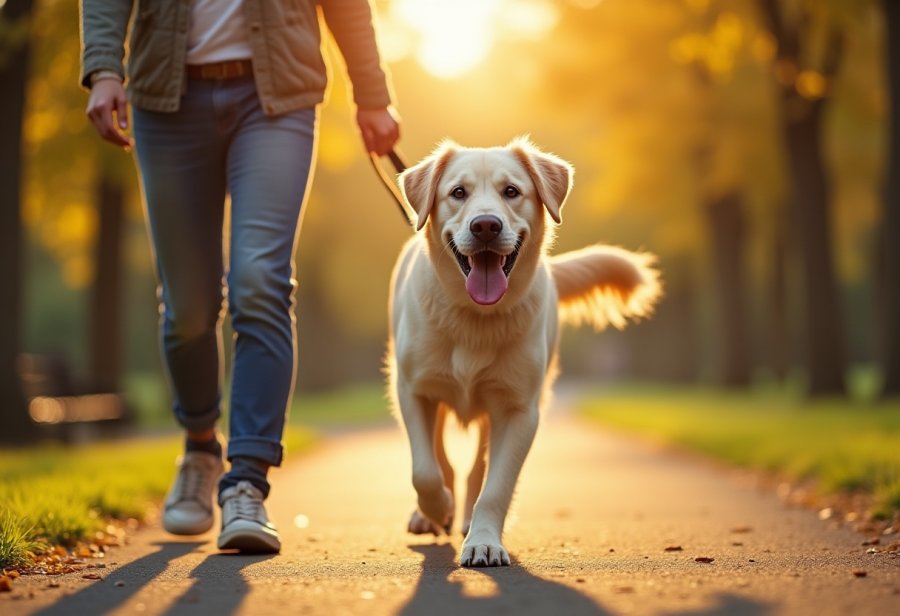
Mastering the art of calm dog walking isn’t just about control; it’s about forging a deeper bond rooted in trust, patience, and mutual respect. When your dog walks peacefully at your side, it transforms daily outings into shared moments of connection and tranquility. But how do you turn this ideal into reality? This guide reveals that consistent routines, positive reinforcement, and gradual exposure to distractions are key. It explores modern techniques and tools that promote mindfulness and emotional regulation, turning stressful walks into opportunities for growth. Are you ready to unlock this peaceful, rewarding relationship? With patience and persistence, every successful stroll reinforces your partnership, fostering a sense of security and calmness that extends beyond the leash. Ultimately, these calm walks become a foundation for a well-behaved, confident dog and an owner who feels more relaxed and connected. Isn’t it time to make peaceful walks a daily joy for you and your furry friend?
Unlock the Power of Calm Dog Walking to Strengthen Your Bond
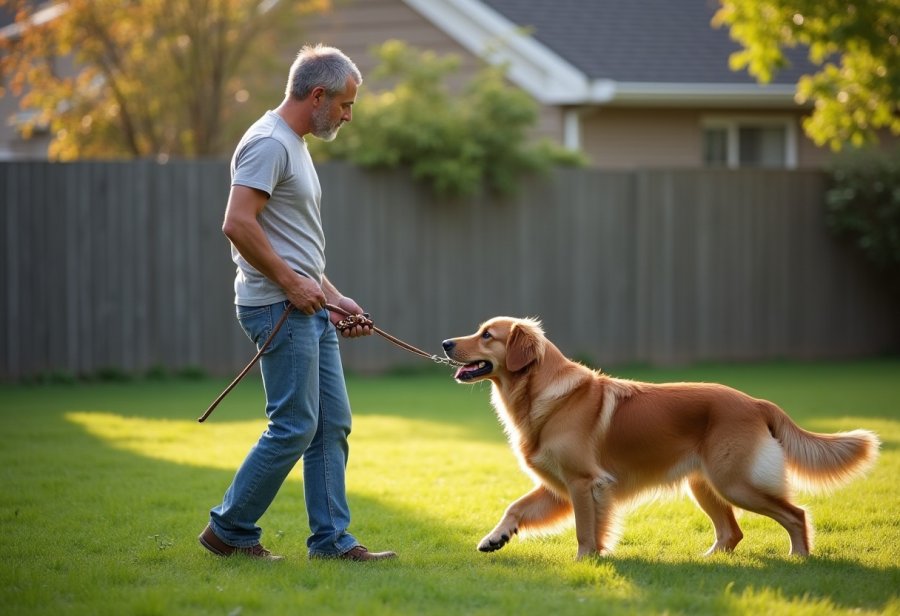
Mastering calm dog walking is about more than just keeping your pet by your side; it’s a way to build a deeper, more trusting relationship. When your dog walks peacefully and pays attention to you, it shows that there’s a bond rooted in clear communication, patience, and mutual respect. These calm walks aren’t just relaxing—they set the foundation for better behavior and a happier partnership. A dog that’s focused and relaxed during walks is less likely to pull, get distracted, or act out. That makes outings more enjoyable and less stressful for both of you.
A calm walking routine also helps your dog feel secure. When they learn to walk without pulling or lunging, they start to see walking as a safe and predictable activity. This sense of safety fosters trust and reduces anxiety. Over time, these peaceful walks become opportunities for connection rather than battles of will. Training your dog to walk calmly isn’t about punishing bad behavior; it’s about guiding them patiently toward understanding what you expect.
The benefits extend beyond the walk itself. A well-trained, calm dog is easier to manage in everyday situations, like visiting the vet or greeting visitors. It also helps curb behavioral issues that stem from excitement or frustration. When your dog learns to stay focused and relaxed, they’re more likely to listen and respond to commands, even in distracting environments.
Investing time in calm leash training pays off in the long run. It transforms a routine chore into a shared experience of trust and bonding. Instead of stress and chaos, you create moments of harmony, where both of you feel confident and connected. These peaceful walks become a highlight of your day—something to look forward to, not dread.
Building this kind of relationship takes patience, consistency, and positive reinforcement. It’s not about quick fixes but about gentle, persistent guidance. Every calm walk strengthens your bond, showing your dog that you’re a reliable leader they can trust. Over time, this trust becomes the foundation for a well-behaved, happy dog and an owner who feels more confident and relaxed.
The journey to calm walking is also a chance to understand your dog better. Watching how they respond to your cues and how they settle into a peaceful mindset teaches you about their emotional needs. It’s a shared process that deepens your mutual understanding and respect.
Ultimately, mastering calm dog walking is a gift you give both yourself and your pet. It’s about turning daily outings into moments of connection, trust, and joy. When your dog walks calmly at your side, you’re not just managing behavior—you’re nurturing a lifelong partnership built on calmness, confidence, and mutual respect.
Foundations of Calm Dog Walking: Trust, Communication, and Psychological Insights
Building a calm walk with your dog starts with understanding the core principles rooted in canine psychology and clear communication. Dogs thrive on consistency, positive reinforcement, and trust. When your dog perceives you as a confident, predictable leader, they feel more secure and are more likely to stay calm during walks. Recognizing that a dog’s emotional state influences their behavior is key—stress or excitement can lead to pulling or lunging, whereas a relaxed mindset encourages focus and cooperation.
Effective communication forms the backbone of peaceful leash walking. Using consistent commands, body language, and timing helps your dog understand what you expect. Teaching cues like “heel” and rewarding calm behavior reinforces the routine. Building trust involves gentle guidance and patience, showing your dog that walking calmly is safe and rewarding. When they trust you, they’re more willing to follow cues and stay relaxed.
The history of leash training reflects a major shift from harsh correction methods to reward-based techniques. Old dominance and punishment approaches often damaged trust and increased stress. Today’s positive reinforcement—treats, praise, and gentle guidance—creates a more harmonious bond. This shift emphasizes partnership over control, making calm leash walking feel natural and enjoyable.
Modern trainers highlight that mutual respect and understanding are essential. Consistent, positive cues help your dog associate walking calmly with good things happening. When owner and dog align on these principles, calm leash walking becomes effortless, strengthening your connection with every step. Trust and patience are the foundation for a peaceful, confident walk that benefits both of you.
Embracing Modern Trends: Mindfulness, Technology, and Sensory Techniques for Peaceful Walks
Recent trends in dog walking are shifting toward mindfulness and stress reduction, transforming each outing into a more meaningful experience. Owners and trainers are focusing on being present during walks—paying close attention to their dog’s body language, breathing, and the environment around them. This heightened awareness helps create a calmer atmosphere, reducing anxiety and encouraging focus. Slow, deliberate movements combined with quiet, intentional interactions turn walks into shared moments of peace that are both enjoyable and less chaotic.
Technology now plays a bigger role in supporting calm leash routines. Devices like GPS trackers, smart collars, and training apps provide real-time feedback, allowing owners to monitor their dog’s behavior more precisely. Some tools use gentle vibrations or sounds to reinforce positive habits, making training more interactive and consistent. Tracking progress over time keeps owners motivated and allows for tailored adjustments, turning tech from a distraction into a helpful training partner.
Another emerging trend involves sensory-based calming techniques. Trainers incorporate soothing scents, calming music, or gentle touches during walks to help dogs relax, especially those prone to anxiety or reactivity. These methods foster emotional regulation and deepen the bond between owner and pet, moving beyond simple obedience toward a partnership rooted in mutual trust and relaxation.
External stimuli—like passing cars, other dogs, or loud noises—can easily disrupt calm walks. To manage this, trainers recommend gradual exposure and focus exercises that help dogs stay centered despite environmental distractions. Building resilience in this way helps dogs feel more confident and resilient, making peaceful walks more consistent regardless of the setting.
These evolving practices highlight that peaceful, mindful walks benefit both dogs and owners. By combining modern tools with present-minded techniques, daily outings become opportunities for connection and calm. This approach not only improves behavior but also enriches the relationship, making every walk a shared moment of trust, tranquility, and joy.
Turning Theory into Practice: Effective Strategies for Calm Leash Walking
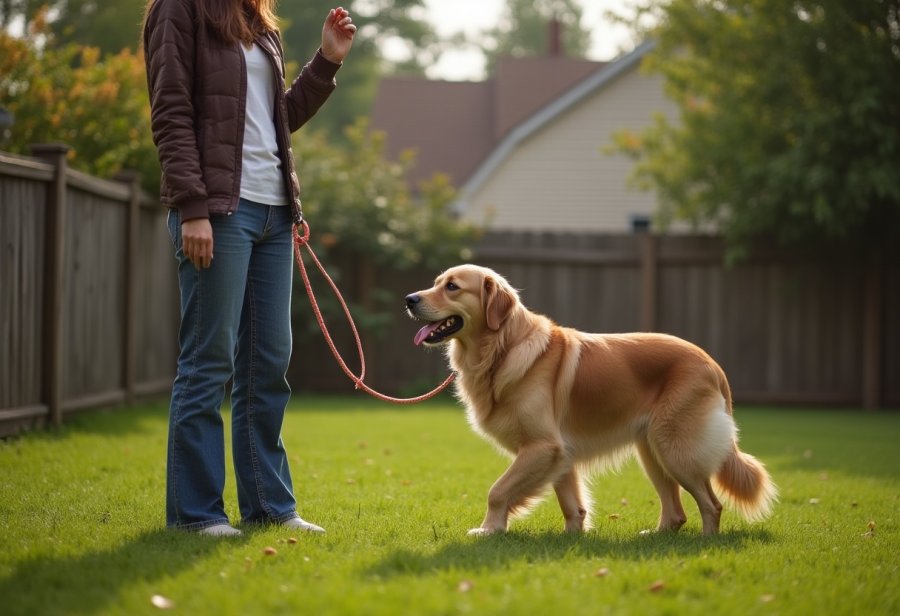
Turning the concept of calm leash walking into real-world success starts with establishing a consistent routine that suits both your lifestyle and your dog’s needs. Begin in a quiet, familiar space free of distractions, where your dog can focus on learning basic cues like “heel” or “walk calmly.” Use treats and praise generously whenever your dog responds correctly, keeping the leash loose to encourage relaxed movement. As your dog gets the hang of it, gradually introduce mild distractions, such as passing cars or other dogs, to help them stay focused in more stimulating environments.
Short, frequent training sessions are more effective than long, sporadic ones. These brief practices reinforce good habits without overwhelming your dog, helping them build confidence and self-control. Over time, extend the duration of walks and increase the complexity of distractions gradually. Celebrate each success, no matter how small, to keep your dog motivated and engaged. Patience is essential—progress may be slow at first, but consistency pays off.
Start with mastering the “heel” command in a calm setting, then slowly introduce more challenging scenarios. Break the training into manageable steps, moving from quiet backyard routines to busy streets. This gradual approach allows your dog to develop trust and understanding without feeling overwhelmed. Use clear, positive cues and reward calm behavior to create positive associations with walking peacefully at your side.
It’s helpful to set small goals, like walking calmly for five minutes without pulling, then gradually increasing the time. Incorporate tools like a comfortable harness that discourages pulling and a treat pouch for quick rewards to make training smoother. Avoid harsh corrections; instead, guide gently and reinforce every success. With patience and persistence, your dog will learn to walk peacefully, transforming daily outings into shared moments of trust and connection.
Smart Spending: Budgeting for Successful Dog Training and Long-Term Happiness
Training a dog to walk calmly on a leash doesn’t have to break the bank, but investing in the right tools can make a real difference. Starting with basic essentials like a sturdy harness, a reliable leash, and quality treats creates a solid foundation for positive reinforcement. These items are typically affordable and help your dog associate calm behavior with rewards, speeding up progress and making training sessions more effective.
If you’re looking to accelerate results, working with a professional trainer or booking private lessons can be worthwhile. Although costs vary depending on your area and the trainer’s experience, many owners find that expert guidance prevents bad habits and tailors strategies to their dog’s specific needs. Group classes often offer a more budget-friendly option and provide valuable socialization opportunities that reinforce good leash manners in real-world scenarios.
For those who prefer a DIY approach, online courses, instructional books, and video tutorials are cost-effective alternatives. They offer step-by-step guidance, troubleshooting tips, and progress tracking, helping you stay consistent and motivated without overspending. Combining these resources with regular practice at home keeps your training affordable while still delivering results.
Remember, investing in your dog’s training isn’t just about immediate behavior; it’s an investment in their overall happiness and your peace of mind. A well-behaved dog is safer, happier, and less likely to develop behavioral issues that could lead to costly repairs or interventions later on. Think of your spending as building a foundation for a lifelong, trusting partnership.
Budgeting wisely ensures you can sustain consistent training without financial stress. Setting aside a small contingency fund for unexpected expenses—such as replacing worn-out equipment or seeking additional professional help—keeps your efforts on track. This approach allows you to adapt as your dog’s needs evolve, maintaining steady progress without financial strain.
Choosing quality over quantity can also maximize your investment. High-quality harnesses and training aids may cost a bit more upfront but tend to last longer and work more effectively, reducing the need for frequent replacements. This not only saves money in the long run but also makes your training sessions smoother and more enjoyable.
By planning carefully and prioritizing essential tools and resources, you create a cost-effective training environment. This strategic approach helps you achieve calm leash walking without overspending, turning each step into a meaningful investment in your dog’s well-being and your shared happiness.
Step-by-Step Planning for Calm Walks: Structuring Your Training Routine
Planning and executing calm walk training begins with establishing a consistent routine that fits both your schedule and your dog’s needs. Choose regular times and familiar routes to create predictability, helping your dog feel secure and focused. Starting in a quiet environment free of distractions allows you to introduce basic cues like “heel” or “walk calmly” without overwhelming your pet.
Short, frequent sessions are more effective than long, sporadic ones. These quick practices reinforce good habits and prevent your dog from becoming overwhelmed. As your dog gains confidence, gradually increase the duration of walks and introduce mild distractions, such as passing cars or other dogs, to build focus in real-world settings. Always reward calm behavior generously to reinforce positive associations.
Break training into manageable steps, beginning with mastering the “heel” command in a calm space. Once your dog responds reliably, slowly add in more challenging environments. Moving from your backyard to quiet neighborhood streets, then to busier areas, helps your dog adapt gradually and build trust. Celebrate small victories along the way to keep motivation high and progress steady.
Set clear milestones, like walking calmly beside you for five minutes without pulling, then extend these as your dog improves. Keep a training journal to track progress and identify areas needing extra attention. Patience and consistency are key—don’t rush progress or get discouraged by setbacks. Every successful walk builds your dog’s confidence and reinforces your bond.
Define your role clearly during each session—guiding with gentle cues and rewarding every calm response. If working with a trainer, follow their guidance closely and stay consistent in your approach. Good communication ensures your dog understands what’s expected, making training smoother and more effective.
When challenges arise, revisit simpler routines or shorter walks to rebuild your dog’s focus. Sometimes, a change of environment or a brief break helps reset your dog’s mindset. Stay flexible and patient, knowing that persistence will lead to calm, enjoyable walks that strengthen your bond and foster trust.
Navigating Challenges: Risks, Setbacks, and Strategies for Lasting Calmness
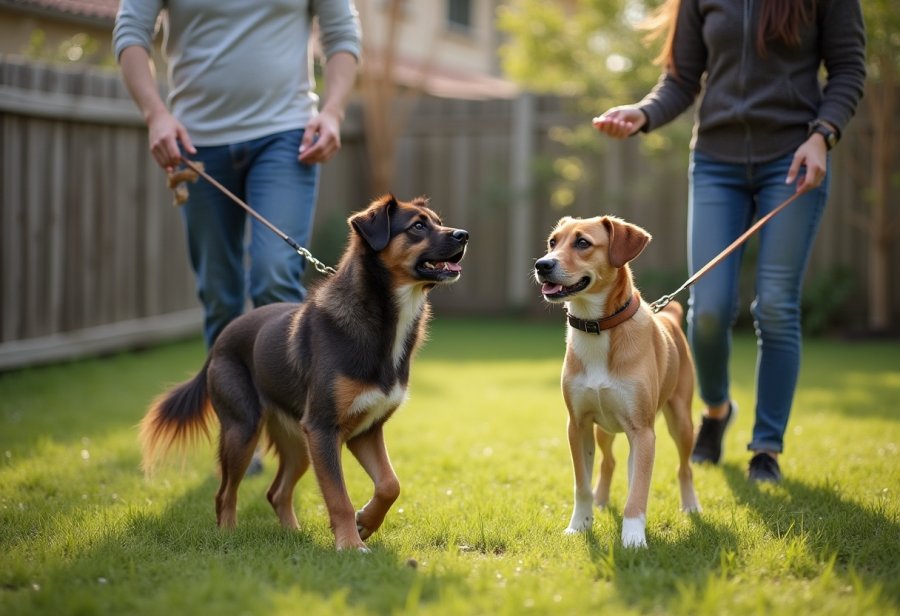
Training your dog to walk calmly on a leash can encounter setbacks, but being prepared makes a big difference. Distractions like passing cars, other dogs, or loud noises often pull your dog’s focus away, making it harder to maintain composure. To prevent this, start training in quieter environments and gradually introduce external stimuli once your dog reliably responds to cues. Rushing into busy areas too soon can lead to frustration and setbacks, so patience is key—building confidence step by step helps your dog stay calm in more stimulating settings.
Impatience is a common obstacle. Many owners want quick results, but dogs need time to learn new behaviors. Pushing too hard or correcting every mistake with harsh methods can damage trust and increase anxiety. Instead, focus on reinforcing positive behaviors consistently. Celebrating small successes keeps your dog motivated and helps foster a trusting relationship that’s more resistant to setbacks.
Leash reactivity or overexcitement can also pose challenges. If your dog reacts strongly to stimuli like other dogs or loud sounds, managing these triggers gradually is essential. Focused desensitization and focus exercises in controlled environments help your dog learn to stay centered despite external pressures. Over time, this builds resilience, making peaceful walks more consistent and less stressful.
Environmental changes or health issues might cause your dog to pull or become distracted. Always monitor their well-being and adapt your training plan accordingly. Maintaining routines and avoiding sudden changes help your dog feel secure, reducing stress that could interfere with calm leash walking.
When setbacks happen, don’t get discouraged. Revisit simpler routines or shorter walks to rebuild your dog’s focus and confidence. Sometimes, a brief break or changing environments can reset their mindset. Patience and flexibility are your best tools—progress might be slow, but persistence pays off.
Remember, setbacks are a normal part of learning. Address challenges with a calm, consistent approach, and your dog will develop the self-control needed for relaxed, enjoyable walks. By recognizing potential problems early and adjusting your techniques, you create a positive environment that encourages steady progress.
With time and patience, these strategies help your dog overcome obstacles and develop the calmness necessary for peaceful leash routines. Staying composed and persistent ensures that each walk becomes an opportunity for trust, growth, and connection rather than frustration or setbacks.